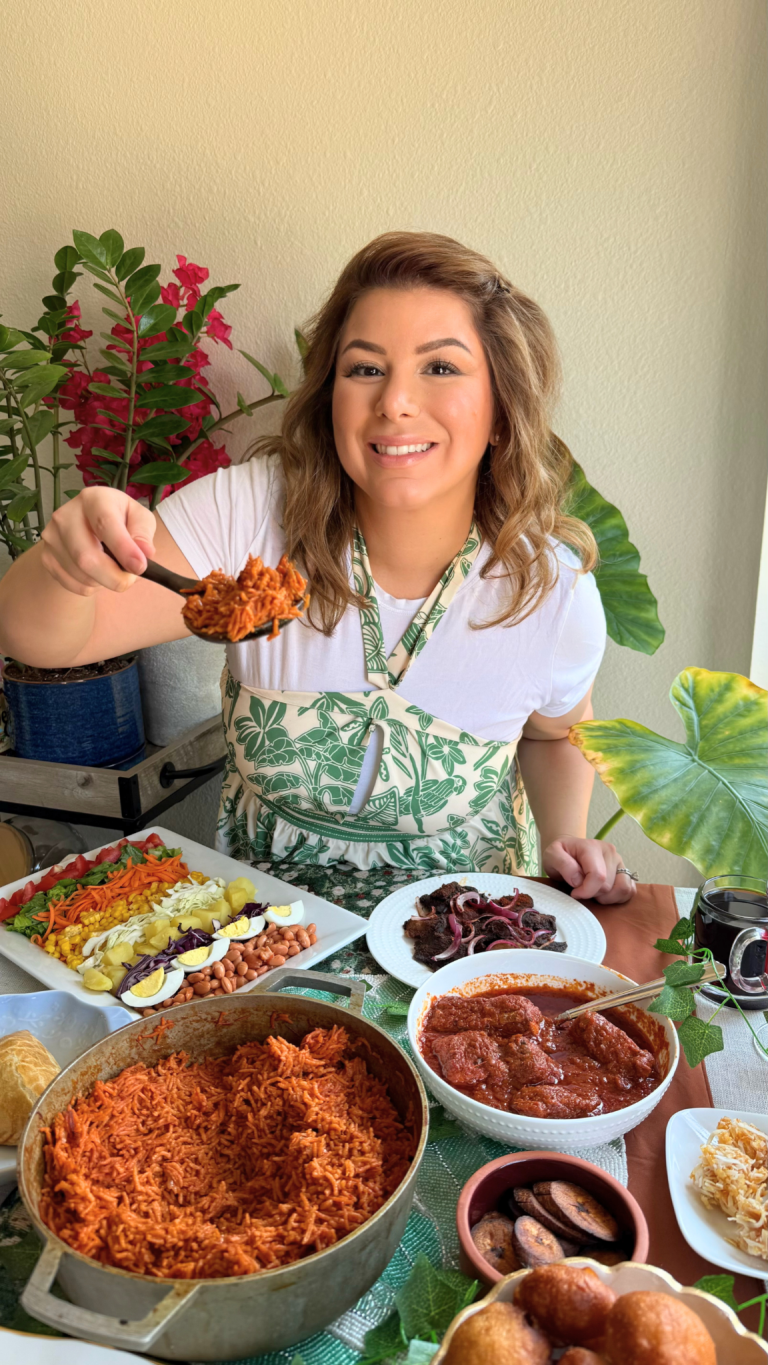
My Mumbai Kitchen Awakening: The Indian Spice Box I Wish I’d Known About Sooner
If you’ve ever watched an Indian home cook move through a kitchen, you’ve probably seen it: a round, stainless steel tin that gets pulled out at the start of almost every meal. It sits on the counter like a little treasure chest. When the lid comes off, you’re hit with an aroma so layered, so warm and alive, that it almost feels like the cooking has already started — because in a way, it has.
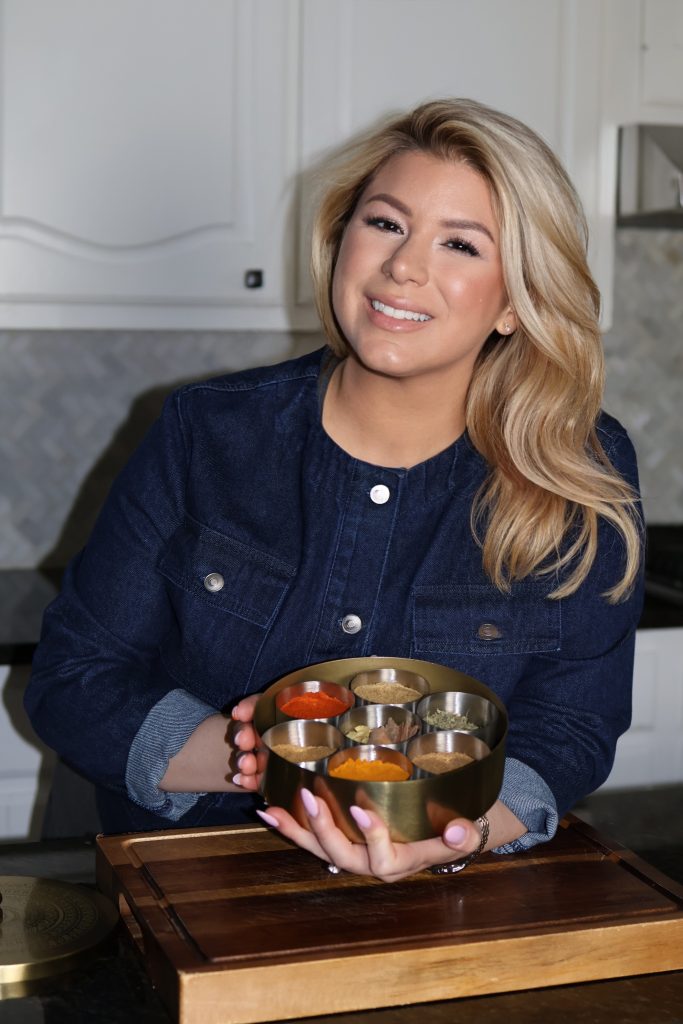
That tin is called a dabba (also known as a masala dabba or Indian spice box), and it is one of the most practical, beautiful, and culturally meaningful objects in Indian cooking. I finally got my own, and I genuinely think it’s one of the best things I’ve added to my kitchen. Here’s everything you need to know about it — plus the story of how I first encountered one in a tiny Mumbai kitchen that I will never forget.
What Is a Masala Dabba?
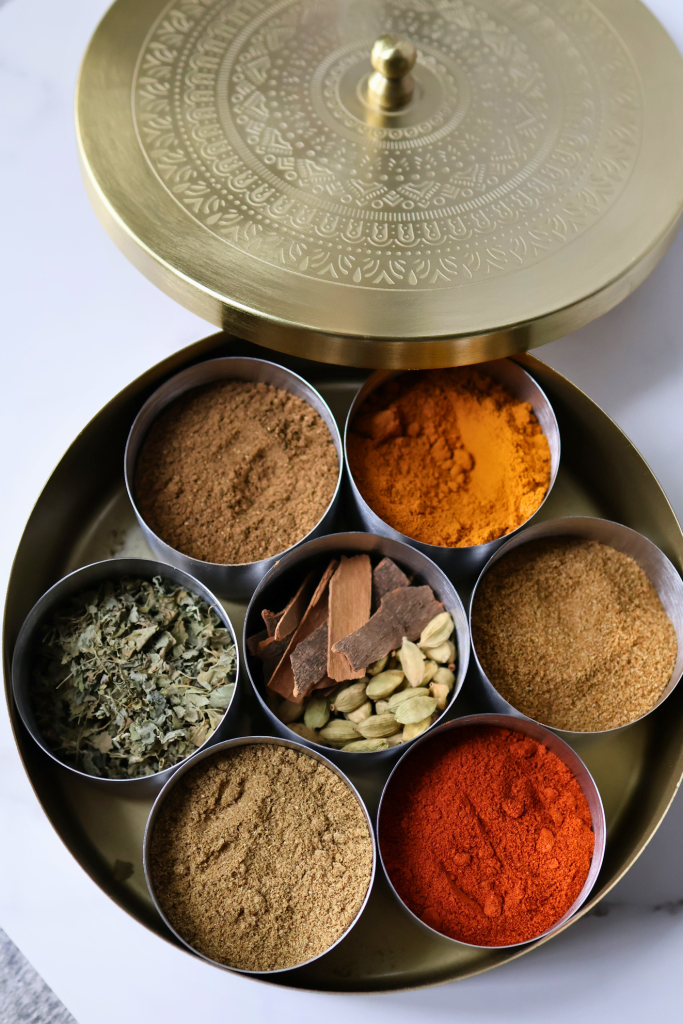
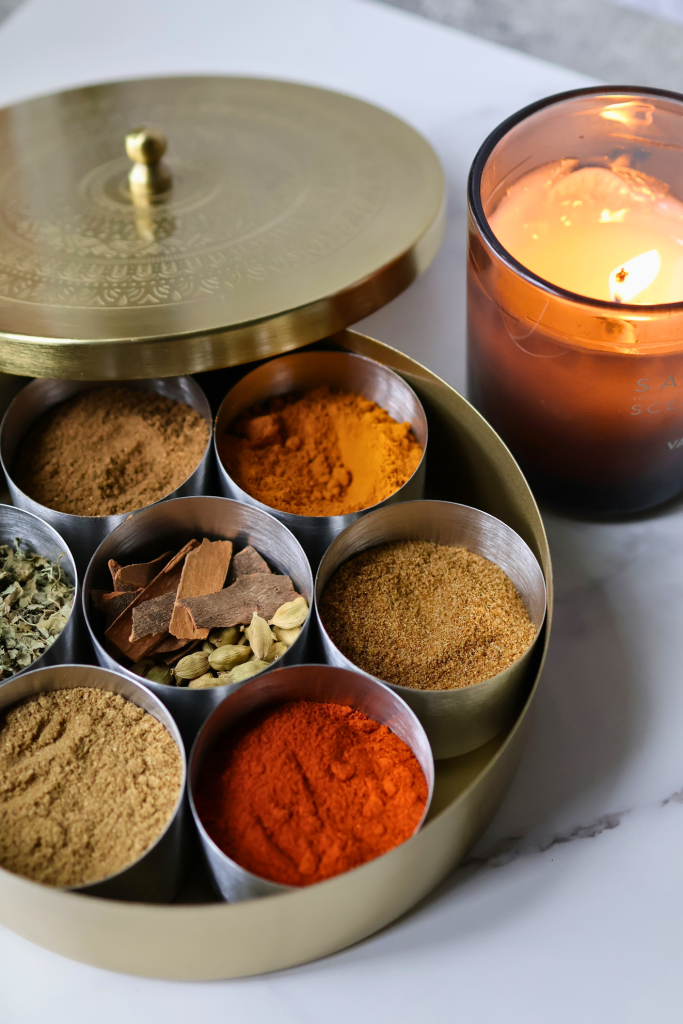
The word masala means spice blend or mixture, and dabba simply means box or container. Together, the masala dabba is the everyday spice kit that sits at the heart of Indian home cooking. It’s typically a large flat stainless steel tin with a tight-fitting lid, and inside you’ll find anywhere from five to nine smaller individual cups, each holding a different spice. There’s usually a small spoon included too — a tiny flat one that lets you scoop just the right amount of each spice directly into a hot pan.
What makes the dabba so genius is its design. Everything you reach for constantly is in one place, within arm’s reach, ready to go. No hunting through a cabinet full of jars. No measuring spoons lined up like a lab. Just that one tin, and muscle memory built over a lifetime of cooking.
The masala dabba is a staple in homes across India — from Mumbai apartments to Rajasthani village kitchens, from Tamil Nadu households to Punjabi family homes. The specific spices inside will vary by region, by family, and by generation. But the object itself? Universal. It’s passed down, gifted, inherited. In many Indian families, opening your mother’s dabba is like opening a piece of her cooking.
The Spices Typically Found Inside a Dabba
While every family’s dabba is personal, there are a handful of spices you’ll find in almost every one. Here’s a breakdown of the classics — what they are, and why they earn their spot in the tin.
1. Cumin (Jeera)
Cumin is arguably the most foundational spice in Indian cooking. It shows up in two forms: whole cumin seeds, which are tempered in hot oil at the very beginning of a dish to bloom their flavor, and ground cumin, which adds earthy depth to curries, dals, and rice dishes. Cumin has a warm, slightly nutty, grassy flavor that is unmistakably Indian — it’s the note that tells your nose “something good is happening on this stove.”
2. Coriander (Dhania)
Ground coriander is mild, citrusy, and slightly sweet. It works in the background of almost every masala, providing body and brightness without overwhelming the dish. Paired with cumin, it forms the flavor backbone of countless Indian recipes.
3. Turmeric (Haldi)
If cumin is the soul, turmeric is the color. That deep, golden-orange glow that lights up your curry? Turmeric. Beyond its visual drama, it brings an earthy, slightly bitter warmth and is one of the most studied spices in the world for its potential health properties. A pinch goes into almost everything — dals, vegetable dishes, marinades, even rice.
4. Red Chili Powder (Lal Mirch)
This is your heat. Red chili powder can range from mild to fiery depending on the variety used, and Indian cooking uses it generously. It’s not just about spice though — it also deepens color and adds a specific fruity, smoky dimension to a dish that paprika alone can’t replicate.
5. Garam Masala
Garam masala is a pre-mixed blend of warm spices — typically including cardamom, cloves, cinnamon, black pepper, and more — and it’s usually added at the end of cooking to finish a dish rather than at the beginning. It’s aromatic and complex, and every family seems to have their own version. Buying a good one or making your own is one of the most impactful upgrades you can make to your Indian cooking.
6. Mustard Seeds (Rai)
Mustard seeds are a tadka essential — tadka being the technique of blooming whole spices in hot oil or ghee to build a flavor base. When mustard seeds hit hot oil, they pop and crackle and release a nutty, slightly pungent aroma. They’re especially important in South Indian and Gujarati cooking.
7. Cinnamon & Cardamom
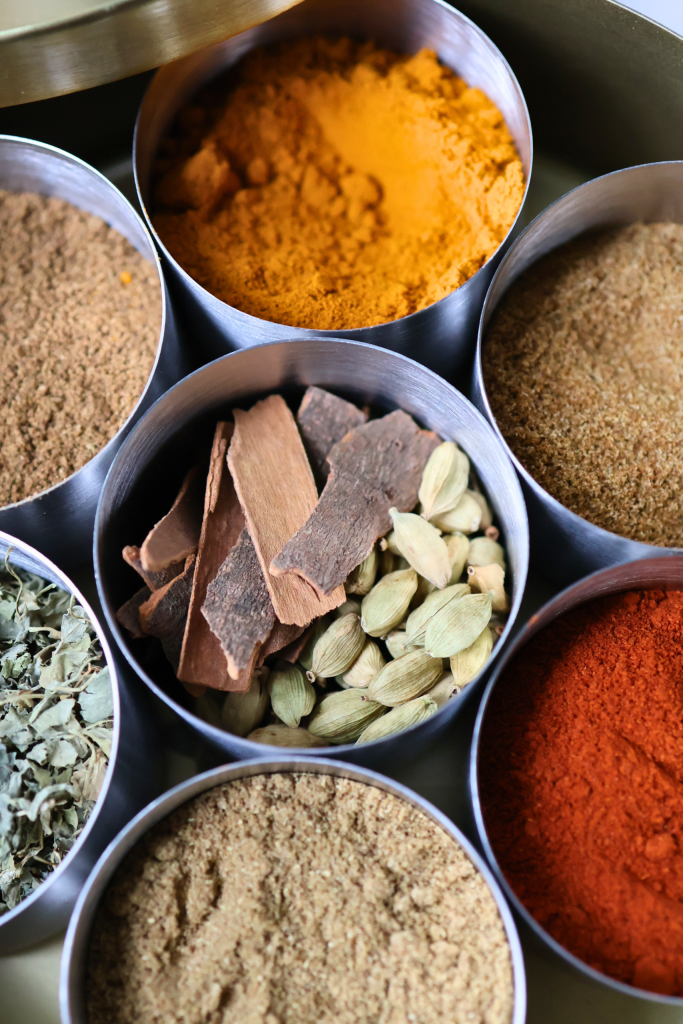
Often stored together or alongside the others, cinnamon sticks and cardamom pods add floral warmth to both savory dishes and sweets. Cardamom in particular is one of the most intoxicating aromatics I’ve ever encountered — floral, citrusy, and deeply exotic all at once.
My Dabba Has a Different Lineup — And That’s Okay
I want to be transparent with you: my dabba does not have the “textbook” setup yet, and I think that’s actually worth talking about.
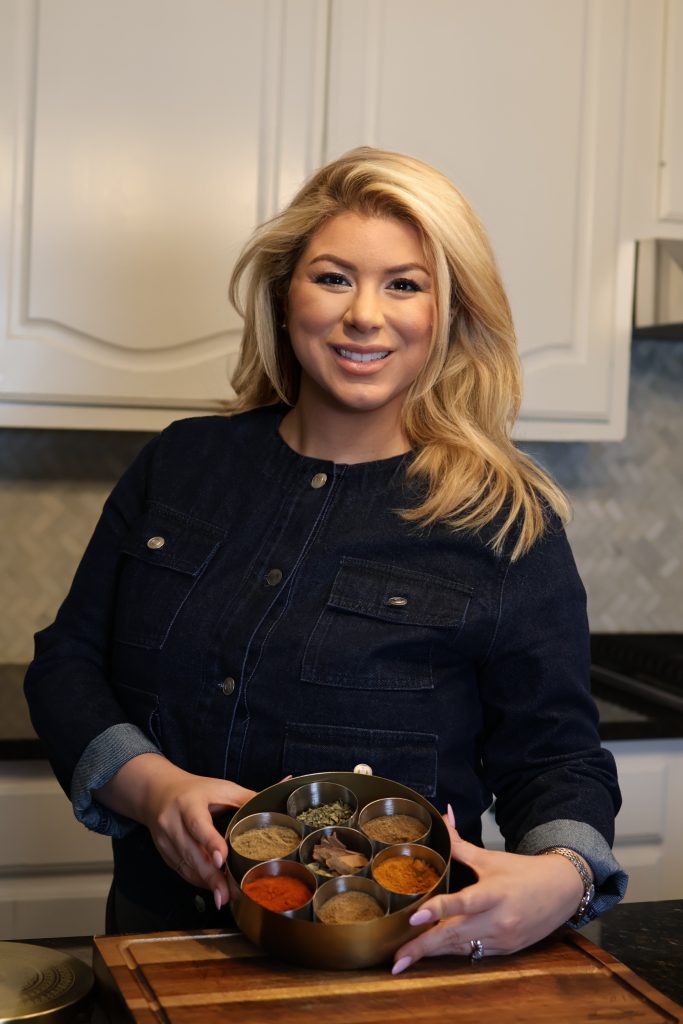
I ran out of whole cumin seeds when I was putting mine together, so I used ground cumin instead. And in place of mustard seeds, I added kasoori methi — dried fenugreek leaves, which have a slightly bitter, maple-like depth that I’ve completely fallen in love with. My dabba is a work in progress. It’s my dabba, shaped by what I had, what I love, and where I am on this cooking journey.
That’s kind of the whole point. The dabba is personal.
The Story: How I First Saw a Dabba in Mumbai
To understand why this tin means so much to me, I have to take you back to 2019.
I had never been to India. I’d been dreaming about it for years, honestly, but the trip that finally got me there started with a friendship I made in grad school in Dubai.
Her name is Mrigakshi. She’s one of those people who walks into a room and immediately makes everyone feel like family. We met while studying in Dubai, and from almost the beginning, it was clear that she had a gift. Not just for cooking — though she absolutely does — but for feeding people in a way that felt like an act of love.
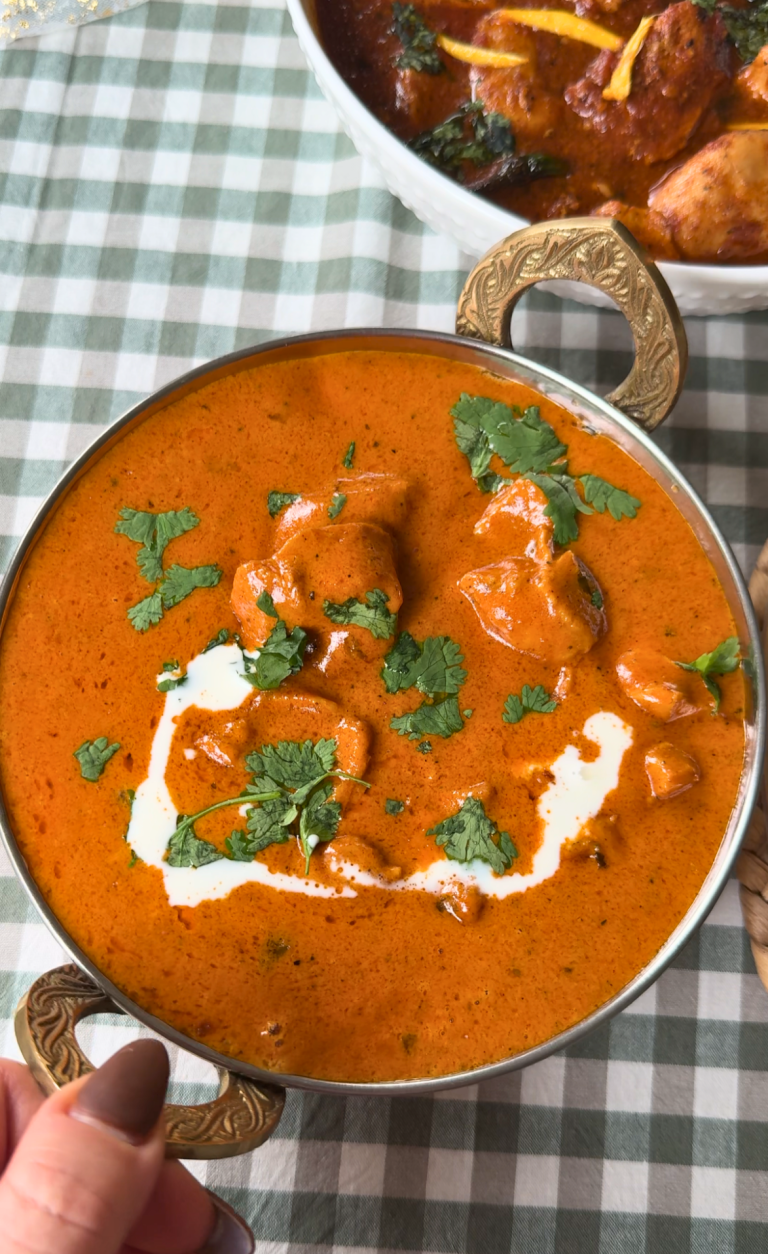
I still remember the day she brought butter chicken to a barbecue we had. She had made it from scratch, portioned it into containers, and carried it in a bag like it was no big deal. Within an hour, everyone was asking where they could buy it. Someone said, only half-joking, that she should sell it by the container. The whole thing was gone before anything else at the party even got touched.
From that moment, I was obsessed. I needed to know how she made it. I kept asking, and she kept saying, “Come to Mumbai. I’ll show you.”
So in 2019, I did.
I flew into Mumbai for the first time and the city hit me immediately — the sounds, the colors, the smell of the air, the sheer electric aliveness of it. Mrigakshi took me to a local market. Not a tourist market. A real, neighborhood market where vendors were stacked up selling fresh produce, whole spices piled into pyramids, dried chilies bundled in bunches, and aromatics I couldn’t even name.
We carried our ingredients back to her apartment, and that’s when I saw it.
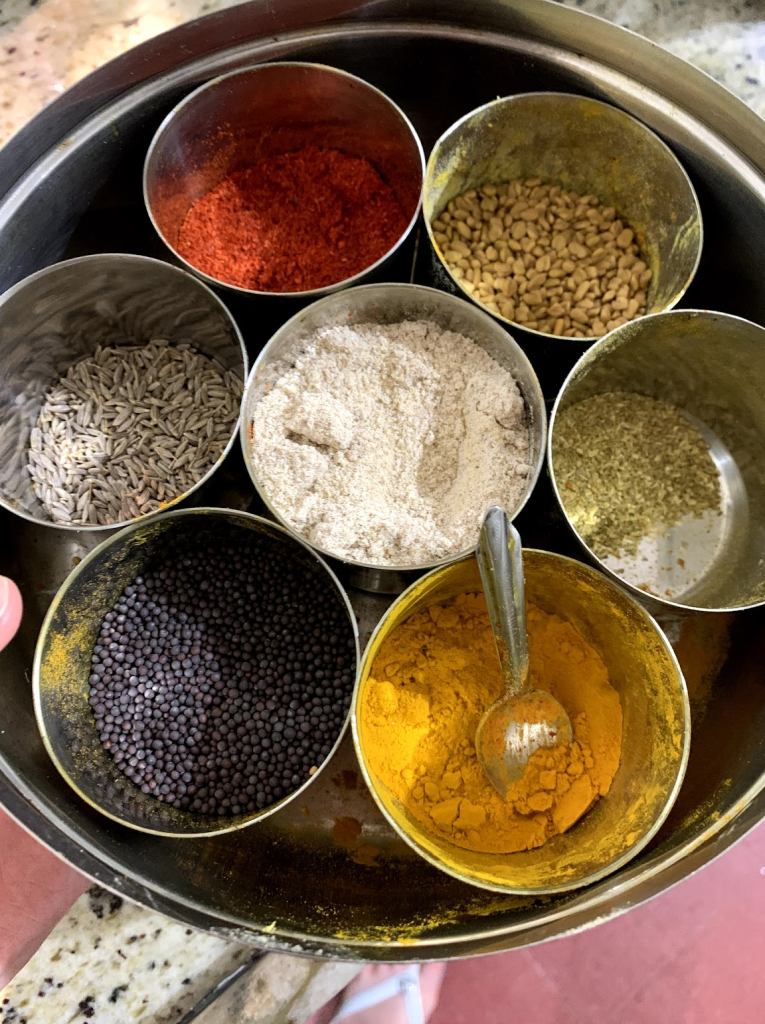
Sitting on her kitchen counter was this beautiful, wide stainless steel tin. She lifted the lid and inside were these perfectly arranged little cups, each one a different color — golden turmeric, deep red chili, pale brown cumin (see picture below of Mrigakshi’s actual tin). The smell that rose up from that tin was one of the most extraordinary things I had experienced in a kitchen. It wasn’t one spice. It was all of them together, this warm, layered, complex cloud of aroma that immediately transported me.
She cooked the butter chicken so effortlessly. Reaching into that dabba instinctively, never measuring, adding this and then that with her fingers and that small spoon. Watching her cook was like watching someone play an instrument they’d played their whole life. Click here for a link on how to make Butter Chicken (Mrigakshi taught me).
I left Mumbai with a full heart, a notebook full of notes, and an obsession with the masala dabba that I’ve never quite gotten over.
How I Finally Got My Own
For years after that trip, I kept looking for a dabba in stores and honestly not finding much. I eventually spotted one at World Market recently, and I immediately grabbed it. It’s not exactly like Mrigakshi’s — hers was worn and well-loved in the way only an inherited kitchen tool can be — but it’s mine, and I’ve started filling it with the spices I reach for most.
There’s something about having your most-used spices contained, organized, and beautiful that genuinely changes how you cook. I find myself more intuitive at the stove now. I move faster. I improvise more. The dabba has made cooking feel less like following a recipe and more like having a conversation with a dish.
If you’re looking to get one in the US, here is a link to purchase the exact one I have from World Market -> click here. Besides World Market, you can find masala dabbas on Amazon (search “masala dabba” or “Indian spice box”), at Indian grocery stores, and through various kitchen retailers online. Stainless steel is the traditional and most durable choice.
How to Start Filling Your Dabba
If you’re new to Indian cooking and want to put together your first dabba, here’s a simple starting lineup that covers most bases:
- Ground cumin (or whole cumin seeds if you can find them)
- Ground coriander
- Turmeric powder
- Red chili powder (Kashmiri chili is milder and gives gorgeous color) – I use Fadwa Masala brand.
- Garam masala
- Mustard seeds (for tempering)
- One wild card — kasoori methi, amchur (dried mango powder), or asafoetida (hing) depending on what you’re into
Start there. Adjust as you cook. Let your dabba become yours.
Final Thoughts
The masala dabba is a philosophy of cooking — one that says the most important flavors should always be within reach, always ready, always part of the ritual. It’s a piece of culinary culture that has been passed down through generations of Indian home cooks, and it deserves a place in any kitchen that takes flavor seriously.
Mine sits on my pantry now. Every time I lift the lid, I’m back in Mumbai, in Mrigakshi’s kitchen, watching her reach into that tin like it was second nature.
That’s what good food does. It carries you somewhere. Thanks for tuning into my series: From Elsewhere!
Have you ever cooked with a masala dabba? Drop a comment below — I’d love to know what spices you keep in yours. And if you’ve made butter chicken from scratch, you already know the magic. Stay tuned because that recipe is coming soon.
Categories: Kitchen Essentials | Indian Cuisine | Travel + Food Stories | Cooking Tips