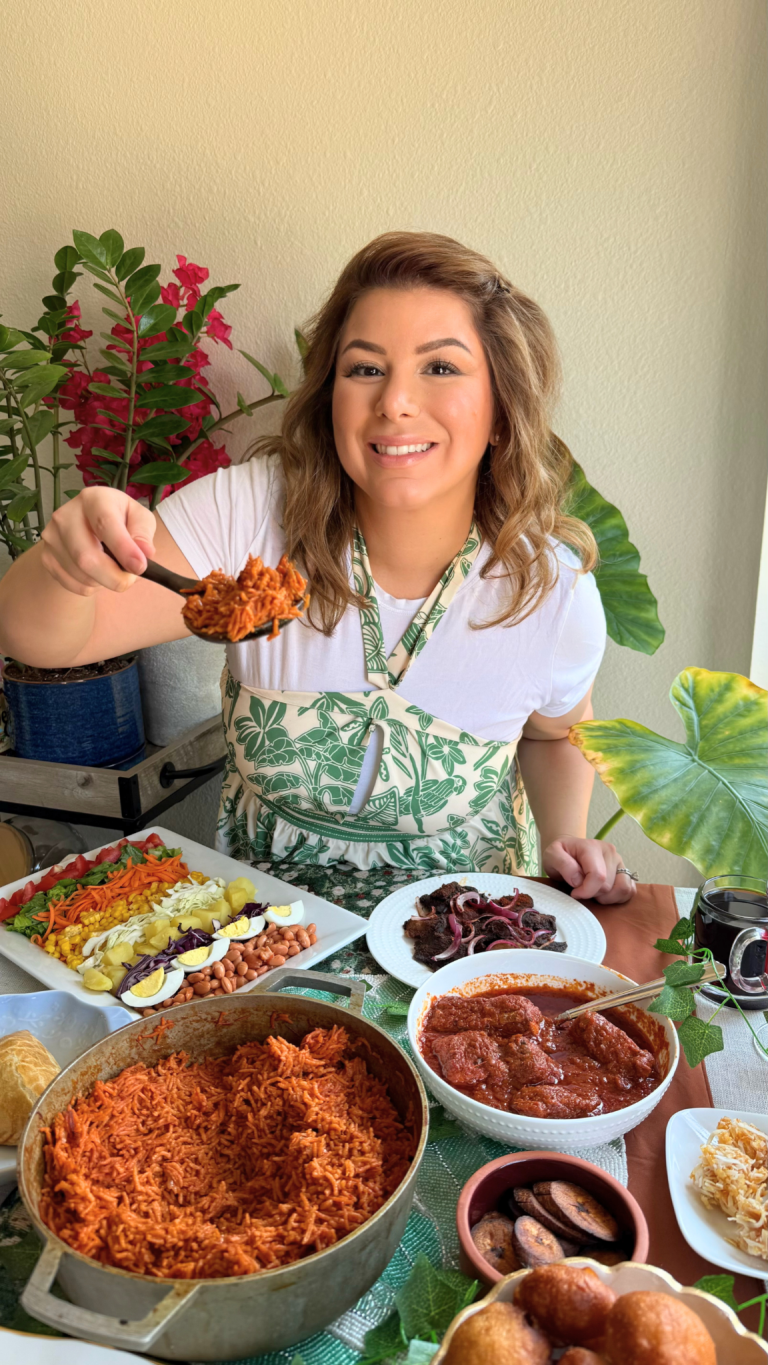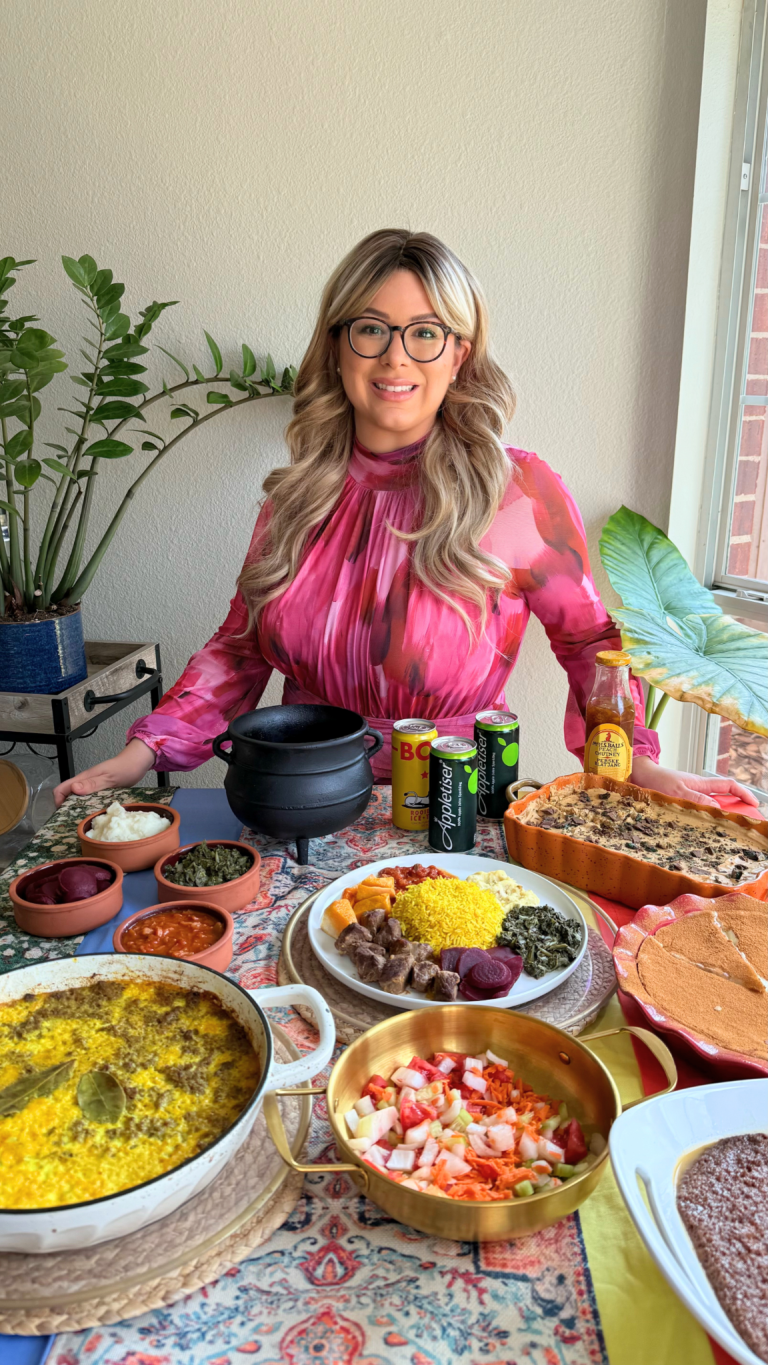
Hosting Pakistan: Smoky BBQ, Pakistani Hospitality, and the Lamb Chops Masala That Made It to TV
Part of the Hosting the World series — where I cook my way through countries, one experience a week, exploring the untranslatable hospitality concepts that make each culture unforgettable.
Why Pakistan Has My Heart (and My Spice Cabinet)
I am going to say something that might surprise people who follow my food journey: Pakistani food is one of my absolute favorite cuisine in the world. Not just one of my favorites. But definitely top three!
I have traveled to 54 countries. I have eaten my way through street markets in Southeast Asia, sat at family tables in the Middle East, and navigated tasting menus across Europe. And still, when I think about the cuisine that moves me most deeply I think of the one that makes me reach for seconds and thirds.
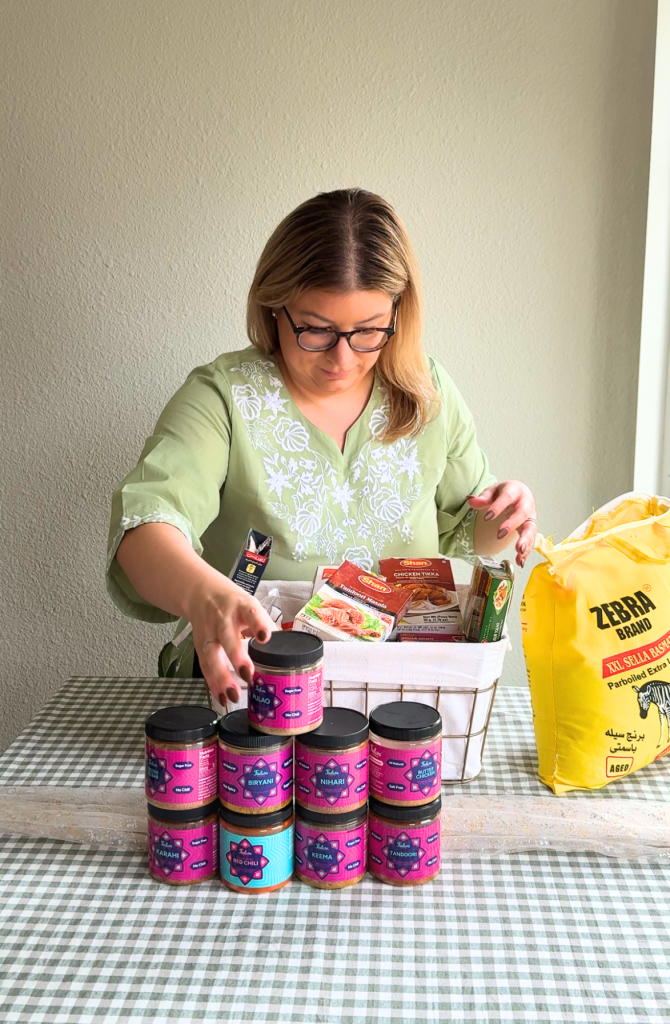
Part of this love story lives in my spice cabinet. I own a serious collection of masalas, and I have tried more brands than I can count. But nothing, and I mean nothing, has compared to Fadwa Masala. Her butter chicken masala is the one I keep reaching for, and the secret is kasoori methi — dried fenugreek leaves — right there in the blend. That dried herbal warmth transforms a butter chicken from good to transcendent. If you have not tried Fadwa Masala, it is your next purchase. You can thank me later.
What Is Pakistani Hospitality?
Pakistani culture carries a concept of hospitality so deeply embedded in daily life that it is not a gesture but a way of being.
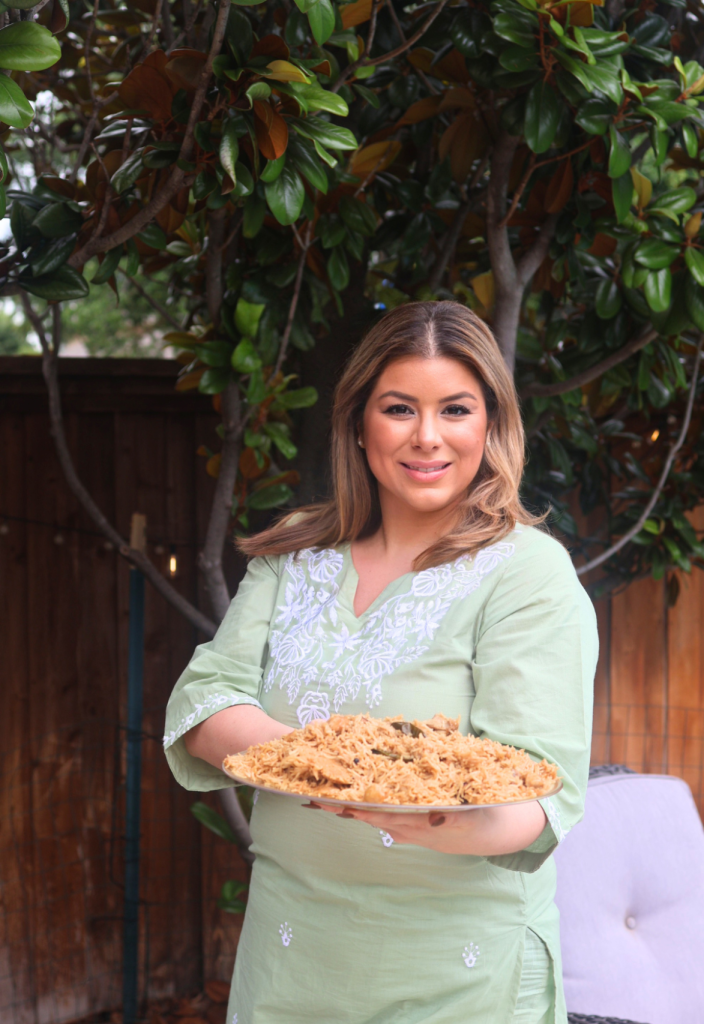
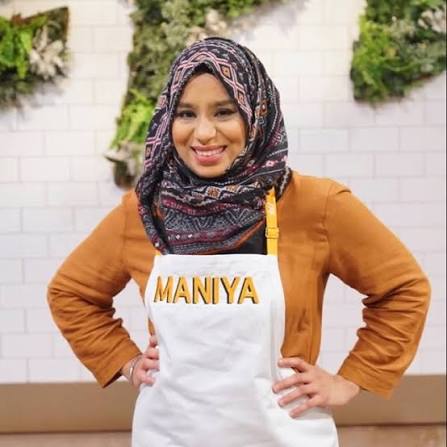
To understand it, I went to someone I trust deeply: my friend Fatima, a talented chef who auditioned for MasterChef with her now-legendary lamb chops masala (more on that in a moment) and who also won ABC Family’s Family Food Fight in 2019. She is the real thing!!!!
I asked Fatima what hospitality looks like in Pakistan, and she told me the following:
“Pakistani hospitality is some of the best in the world. The guest is treated as a blessing. There is even a belief that when a guest leaves your home, they take the bad things with them.”
Let that sink in. The guest is not just welcomed — the guest is a source of grace. This belief is rooted in the teachings of the Prophet Muhammad, peace be upon him, and it permeates how Pakistanis welcome people into their homes, their tables, and their lives. Food is not just food in this context. It is an expression of faith, love, and generosity all at once.
This is exactly the kind of hospitality concept that the Hosting the World series was built to explore… the ones that do not translate into a single English word but that you feel the moment you walk through someone’s door.
The Menu: A Pakistani Feast
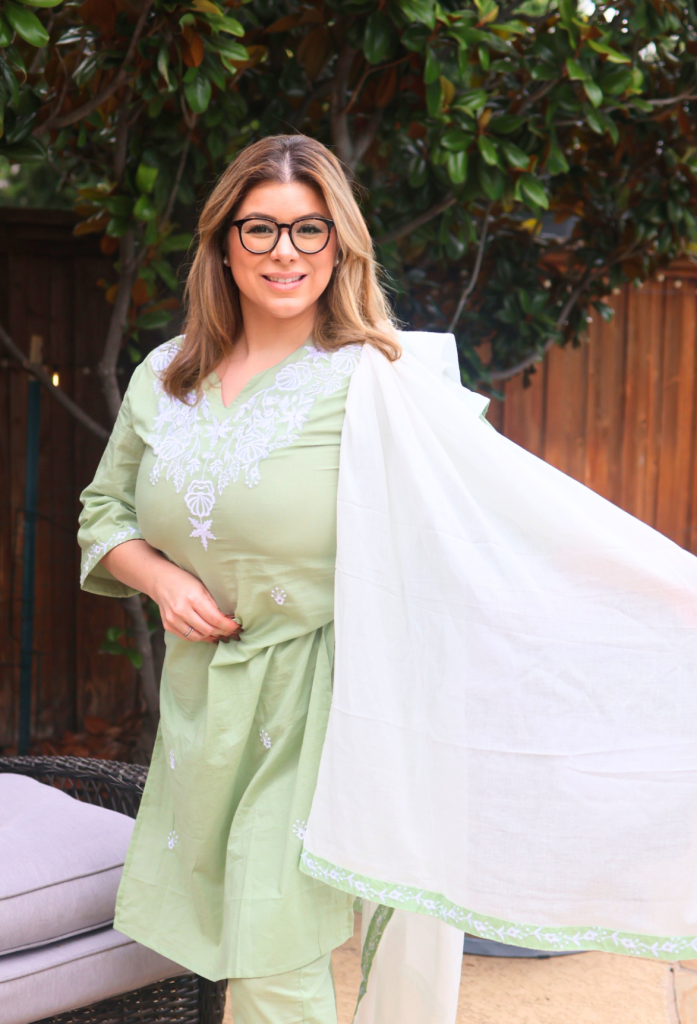
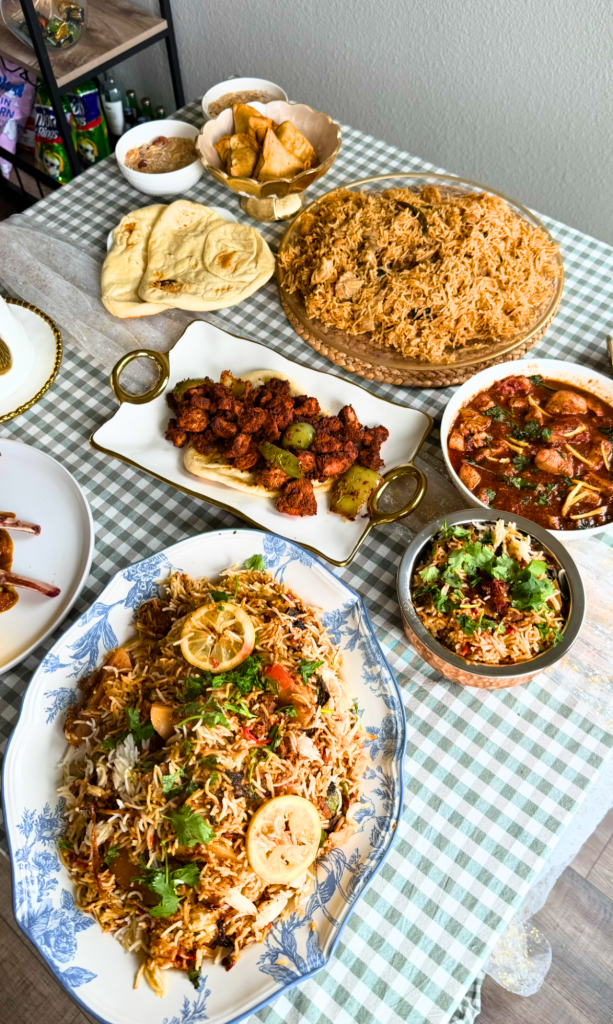
For this episode, I built a full spread that honors the breadth of Pakistani cuisine. Here is what I made:
- Samosas — golden, crispy, filled with spiced potatoes and peas; the snack Pakistan does better than almost anyone (I bought these)
- Chicken Tikka Boti — marinated, smoky, char-kissed chicken cooked using the Dunghar method (read on — this is a game changer)
- Karachi Beef Biryani — layered, fragrant, deeply spiced; Karachi-style biryani has its own identity and it deserves to be known
- Chicken Pulao — a subtler, broth-forward rice dish that shows the quieter, more delicate side of Pakistani cooking
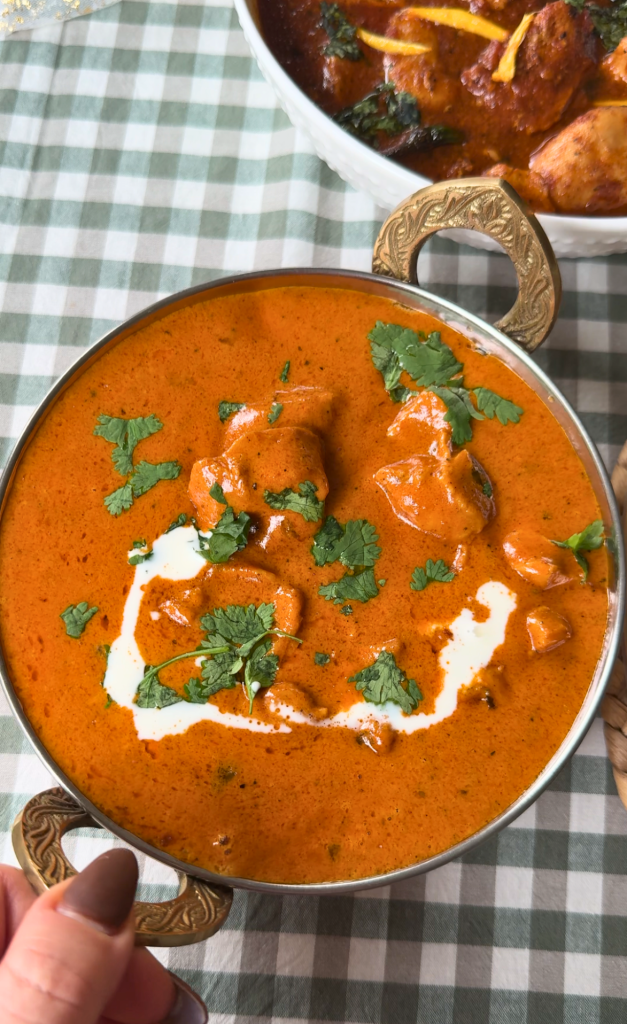
- Butter Chicken — made with my beloved Fadwa Masala butter chicken blend, with that signature kasoori methi warmth
- Chicken Karahi — a bold, tomato-based wok-cooked dish that is pure Pakistani soul food
- Fatima’s Lamb Chops Masala with Hot Honey Glazed Pearl Onions — the showstopper; recipe below
- Seviyan — a delicate vermicelli dessert, sweetened with milk and rose water, that ends the meal on a gentle, perfumed note
- Chai — because no Pakistani meal ends without it
Pakistan’s BBQ Culture: Fire, Smoke, and Flavor
One thing that does not get talked about enough in the global food conversation is how serious Pakistan is about BBQ.
Pakistan has one of the most vibrant and deeply rooted grilling cultures in the world. From the streets of Lahore to the dhabas (roadside eateries) of Karachi, BBQ is not weekend cooking but a way of life. Seekh kebabs, boti, tikka, and chops are sizzled over open coals at all hours, the smoke rising into the night air alongside the sounds of family and community. A Pakistani BBQ spread is a social event, a ritual, a celebration of fire and spice and togetherness.
The secret to authentic Pakistani BBQ flavor is the coal. That deep, smoky, almost mineral quality you get from properly charred meat cooked over live fire is what sets it apart. And for those of us cooking indoors, there is a method that captures this beautifully.
The Dunghar Method: Bringing the Coal Indoors
The Dunghar method is a traditional South Asian technique for infusing a dish with the flavor of live coal — no outdoor grill required. Here is how it works:
- Finish cooking your dish (in this case, my Chicken Tikka Boti) in the pan.
- Place a small piece of aluminum foil in the center of the pan, nestled into the meat.
- Heat a piece of charcoal directly over a flame until it glows red.
- Place the lit coal on the foil.
- Drizzle a few drops of oil or ghee over the hot coal — it will immediately begin to smoke.
- Cover the pan immediately and let it sit for 2 to 3 minutes.
- Remove the coal and foil. Your dish now has that unmistakable smoky depth.
I used this method for my Chicken Tikka Boti, and the result was extraordinary. The marinade (yogurt, tikka spices, ginger, garlic, a squeeze of lemon) had already done its work overnight, but that final step with the coal transformed the dish. You could close your eyes and believe you were at a roadside dhaba in Lahore.
Pro tip: Do this in a well-ventilated kitchen. The smoke is the point, but you want it in your food, not your smoke alarm.
Fatima’s Lamb Chops Masala: A Family Heritage on the Plate
The dish that stole the table at my Pakistan hosting was Fatima’s Lamb Chops Masala with Hot Honey Glazed Pearl Onions. And the story behind it is as beautiful as the dish itself.
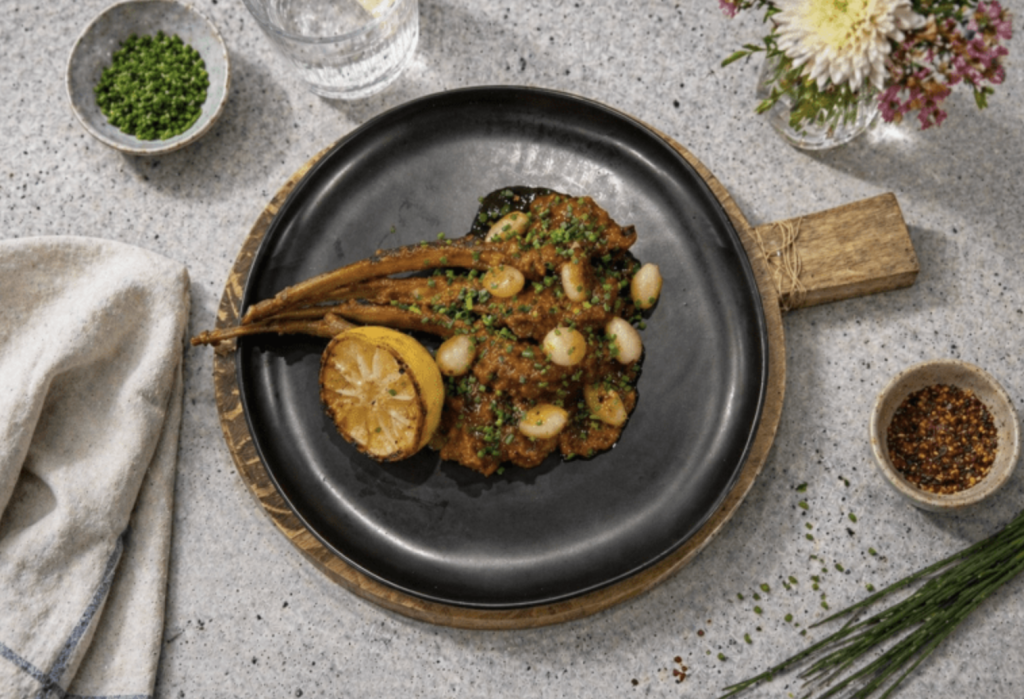
Fatima’s lamb chops masala recipe was passed down to her by her mother. When she shared it with me, she said something I will not forget: it is more than a recipe… it is a part of her family heritage. Those words are everything. This is what food is when it is done right!
Fatima auditioned for MasterChef with this dish. She won ABC Family’s Family Food Fight in 2019 with her cooking. She is the kind of chef who carries her roots in every dish, and this lamb chops masala is the proof.
The lamb chops are deeply spiced with a masala blend, cooked until tender with a caramelized crust, and served alongside hot honey glazed pearl onions that bring a sweet, sticky heat to balance the savoriness of the meat. It is a dish with layers that are not just of spice, but of story.
You can find Fatima’s recipe for Lamb Chops Masala on her website: flavoredbyfatima.com (click here for the exact recipe link)
Tips for Hosting a Pakistani Feast at Home
If you want to bring this spread to your own table, here is how I recommend approaching it:
Start with your masalas. Do not underestimate the role of quality spice blends. I used Fadwa Masala’s butter chicken blend for my butter chicken, and the kasoori methi it contains made all the difference. Good masalas are the foundation.
Marinate overnight. Whether it is the tikka boti or the lamb chops, Pakistani BBQ flavors deepen significantly with time. Give your proteins at least 8 hours in the marinade, ideally 24 hours. I use yogurt as tenderizer.
Layer your meal. A Pakistani feast is not one dish — it is a conversation between dishes. The richness of a karahi is balanced by the lightness of a pulao. The heat of tikka is soothed by the sweetness of seviyan. Think in terms of contrast and complement.
End with chai. Always. There is no negotiation on this. Pakistani chai — thick, spiced, milky, and sweet — is the punctuation mark at the end of a great meal. It is also, in true Pakistani hospitality tradition, how you tell your guests you want them to stay a little longer.
The Seviyan: A Sweet, Gentle Close
Seviyan is Pakistan’s answer to the dessert question, and it is one of the most underrated sweets I have ever made. Thin vermicelli noodles are toasted in ghee, then simmered in sweetened milk with cardamom, rose water, and a scattering of nuts and dried fruit. The result is delicate, floral, and deeply comforting — nothing like what you might expect.
It is also a dish with enormous cultural weight. Seviyan is traditionally made for Eid celebrations, meaning it carries generations of memory, festivity, and family. When you serve it, you are serving something that means something.
Hosting Pakistan: What I Learned
Every country in this Hosting the World series teaches me something that changes how I think about food and about people. Pakistan taught me that hospitality can be an act of faith … that welcoming someone into your home and feeding them is not just kindness, but something sacred.
It taught me that BBQ culture is alive and thriving in ways that the Western food world has barely begun to appreciate.
And it reminded me, once again, that the best recipes are not found in cookbooks. They are passed from mother to daughter, carried through immigration and memory, and shared generously with people who are willing to receive them with the respect they deserve.
Pakistani food is one of my favorites in the world. After hosting this meal, I understand more deeply why.
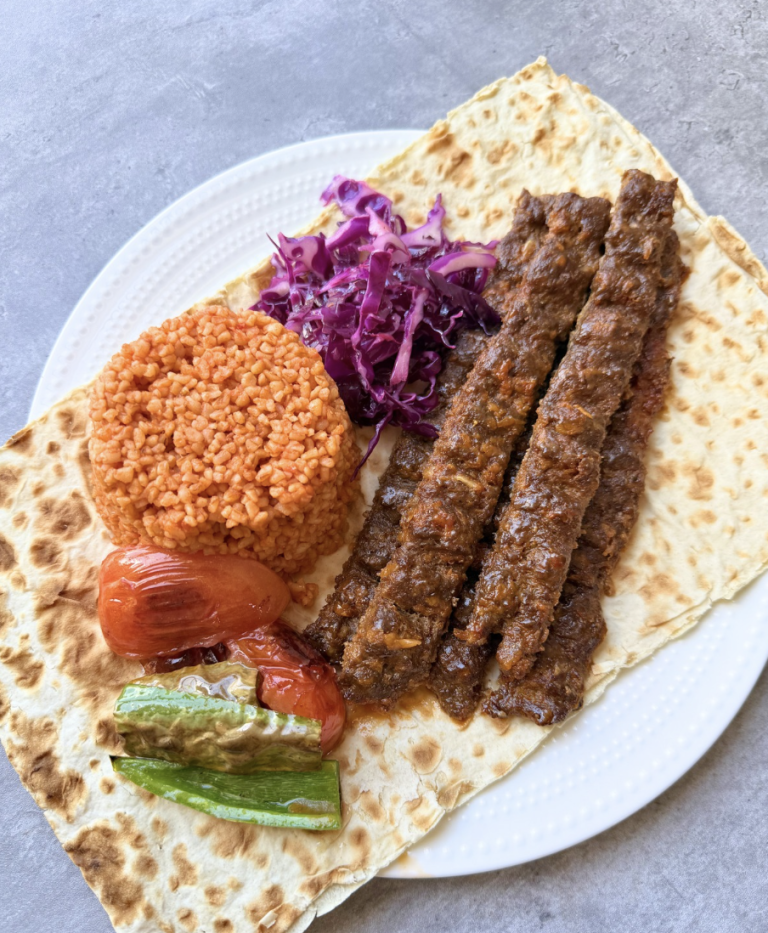
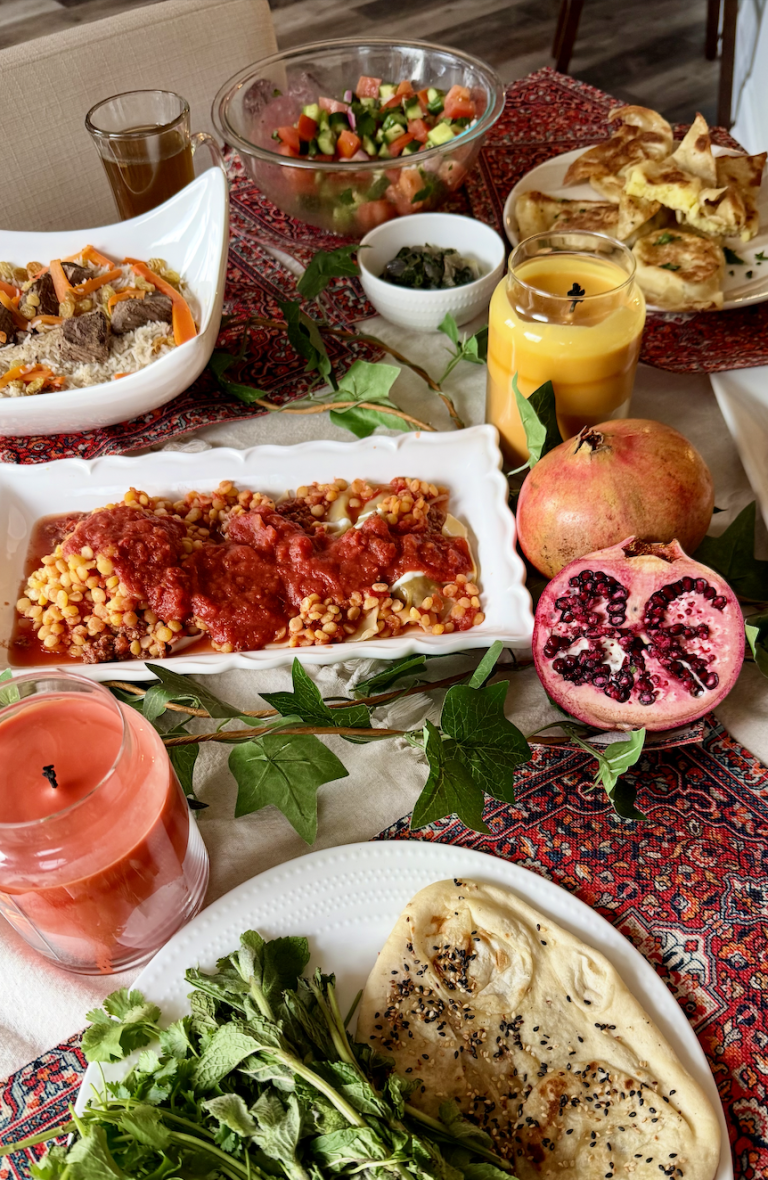
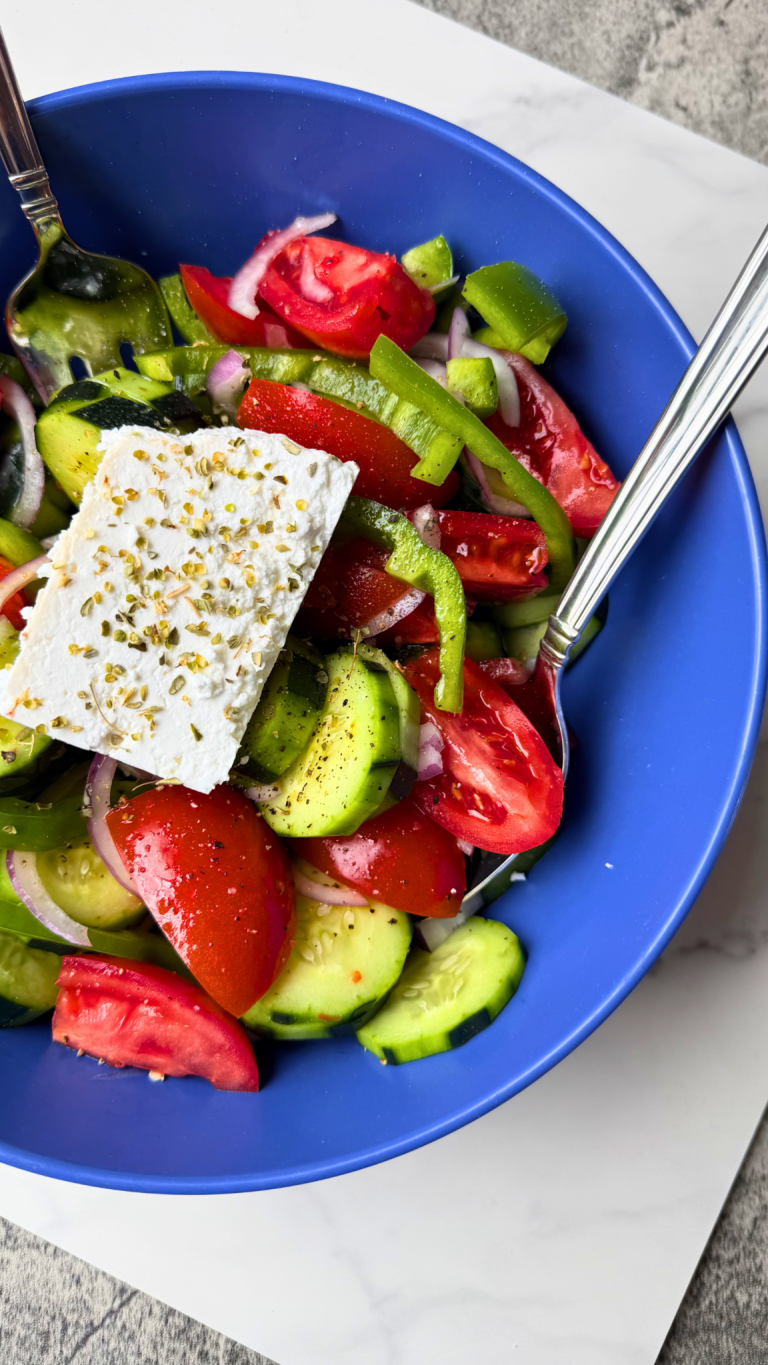
Missed a country in the Hosting the World series? Catch up on Greece (philoxenia), Afghanistan (mehmaan-nawazi), Ethiopia (gursha), and Turkey (chai culture) right here on the blog.
Follow along on Instagram and YouTube @theemiliakim for the full video, behind-the-scenes reels, and weekly hosting inspo.
Tags: Pakistani food, Pakistani recipes, Hosting the World, lamb chops masala, chicken tikka boti, dunghar method, Pakistani BBQ, biryani, butter chicken, Fadwa Masala, Pakistani hospitality, how to host a Pakistani dinner, seviyan dessert, Pakistani chai, kasoori methi
Categories: Hosting the World Series, World Cuisines, Recipes, Cultural Hospitality