Hosting the World: Ghana and the Warm Welcome Behind Every Plate
By Emilia Kim
Hello, friends, and welcome back to Hosting the World!
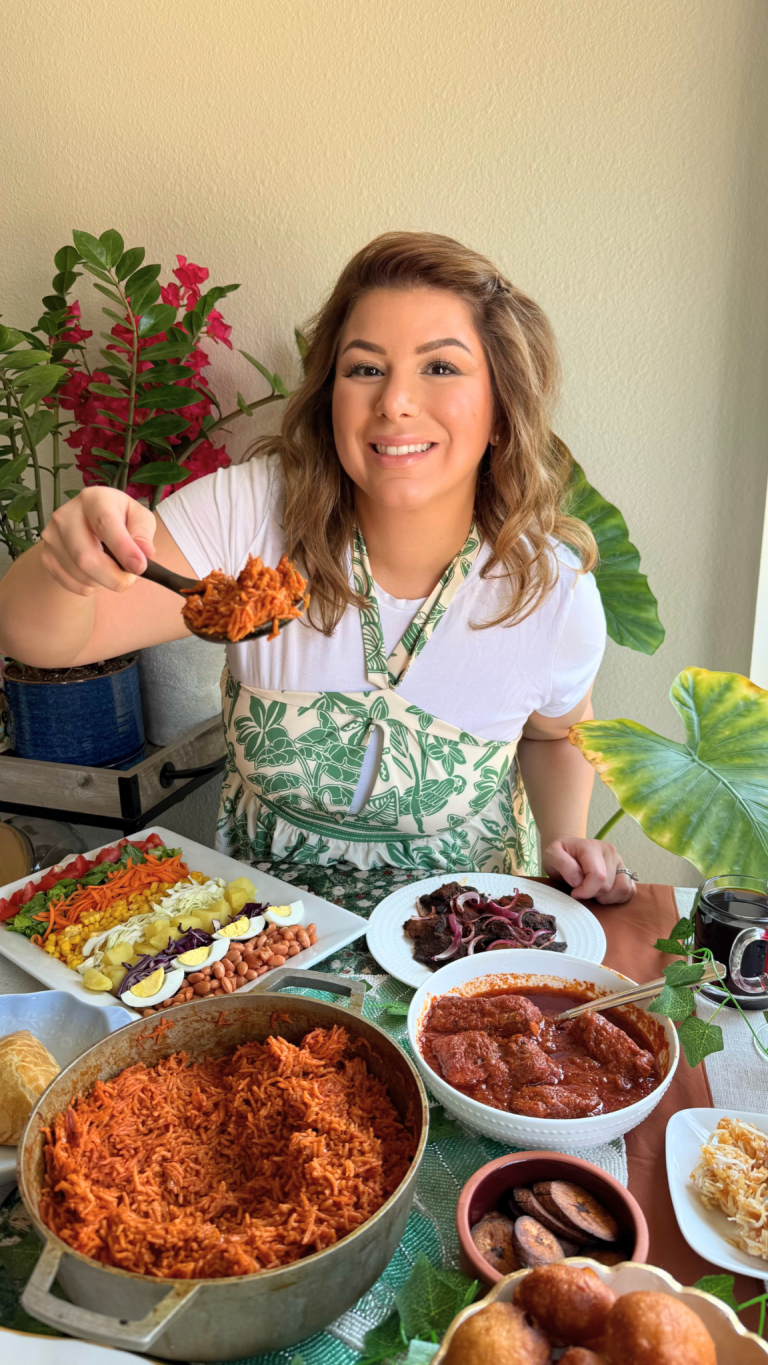
This week our table traveled to West Africa, to a country that has built its national identity around one simple idea: you are welcome here. Ghana is known as one of the friendliest countries on the continent, and after spending time researching, cooking, and eating my way through this menu, I understand why. Ghanaian food is generous, filling, deeply flavorful, and made to be shared!

Today I am walking you through the heart of Ghanaian hospitality and every dish that landed on my table. From the famous rice and beans called waakye, to fermented corn favorites like banku and kenkey, a celebration plate of eto, a comforting bowl of kontomire stew! Grab a seat. There is plenty for everyone.
Akwaaba: The Word That Greets You Everywhere in Ghana
If you learn one word before visiting Ghana, let it be Akwaaba: “welcome” in Twi. It is one of those words you seem to encounter everywhere, from the moment you arrive to the people who greet you along the way.
But I quickly learned that Akwaaba is more than something you say. You can see it in the way guests are received.
Traditionally, when someone arrives at a Ghanaian home, you do not immediately start asking questions. First, you offer them a seat. Then, you offer water. Let them settle in. Only then do you ask what brought them to you, sometimes referred to in Akan tradition as asking for their amanee, or the news they have come with.
I love the order of that. Before anything else, you make sure your guest is comfortable.
You see that same sense of hospitality around food. If you happen to walk in while someone is eating, you may hear “You are invited,” an invitation to share what is there. You do not have to accept, of course, but the gesture itself says so much.
That is the part of Akwaaba I wanted to bring to my own table this week. It is not about how elaborate the table is or how much food you have prepared. It is simply about making someone feel that there is a place for them there.
Sit down. Have some water. Have something to eat. You are welcome here!
A Quick Look at Ghanaian Cuisine
Ghanaian cooking is built on a handful of essential foundations: starches like plantain, yam, cassava, cocoyam, corn, and rice. Stews and soups rich with tomato, onion, and pepper; palm oil, which gives many dishes their signature color and earthy flavor. And fish, fresh, smoked, salted, or fried, which reflects Ghana’s long Atlantic coastline and its rivers and lakes.
The country is home to many ethnic groups, and the food changes as you move across it. The Akan heartland in the center and south is known for plantain and cocoyam dishes. The Ga and Ewe peoples along the coast and in the southeast gave the country many of its fermented corn staples. Northern Ghana, which shares borders and history with the Sahel, contributed grain-based dishes made from millet and sorghum, and it is the original home of two of today’s stars, waakye and brukina.
One more thing to know before we eat: many Ghanaian meals pair a hearty starch with a soup, stew, or sauce, and some of those starches are what Ghanaians call “swallows.” These are soft, dough-like foods you pinch off with your fingers, dip into a sauce, and swallow rather than chew heavily. Banku and kenkey both fall into this family.

The Menu: What Was on My Ghanaian Table
Ghanaian Salad with Corned Beef and Baked Beans
If you have never seen a Ghanaian salad, prepare to rethink what a salad can be. This is not a side of leafy greens. It is a full, layered platter that shows up at parties, weddings, holidays, and especially Christmas gatherings, often right next to a big pot of jollof or fried rice.
The base is crisp and fresh: shredded lettuce and cabbage, sliced tomatoes, cucumbers, onions, and sometimes carrots, green peppers, or sweet corn. Then come the hearty additions that make it unmistakably Ghanaian: sliced boiled eggs, spoonfuls of baked beans, and corned beef straight from the can. Some families swap in sardines or tuna instead. The whole thing is finished with a creamy dressing, most often salad cream or mayonnaise, sometimes loosened with a splash of evaporated milk. I saw some versions with salad cream and others with mayo and ketchup!
The combination might sound surprising, but it works beautifully. You get crunch, creaminess, saltiness, and a little sweetness from the beans all in one bite. It is a celebration dish that tells the story of how canned imported goods became beloved festive ingredients in many West African kitchens.

Waakye: Ghana’s Most Beloved Rice and Beans
Of everything on this menu, waakye (pronounced roughly “waa-chay”) is the dish I most want you to understand, because it is just so delicious!
What it is: At its simplest, waakye is rice cooked together with beans, usually black-eyed peas or other cowpeas. What makes it special is its deep reddish-brown, almost burgundy color, which comes from an ingredient most people outside West Africa have never heard of: dried sorghum leaves, often sold simply as waakye leaves. These dried red leaf stalks are simmered with the beans, releasing their natural pigment and a subtle earthy flavor into the cooking water. The rice is then added and cooked in that same colored liquid, so every grain takes on the signature hue. The leaves are removed before serving.

Many cooks also add a small pinch of kanwa (a natural mineral salt sometimes called potash) or baking soda to help the beans soften and deepen the color. The result is soft, slightly sticky rice and tender beans with a mild, comforting flavor that is designed to be a canvas for everything served alongside it.
Where it comes from: Waakye has its roots in northern Ghana and among Hausa-speaking communities, and its name is generally traced to the Hausa phrase for beans and rice. Over time it traveled south and became a national favorite enjoyed in every region.

How it is eaten: Waakye is one of Ghana’s most popular street foods, and it is especially loved as a hearty breakfast or lunch. Vendors, often called “waakye sellers,” set up early in the morning with large pots and a lineup of accompaniments, and customers build their plates to order. The food is traditionally served on or wrapped in leaves, which keeps it warm and adds to the experience. A full waakye plate can include:
- Shito, Ghana’s famous black pepper sauce made with dried fish or shrimp, chili, onions, and oil, deep, spicy, and smoky
- Waakye stew, a red, oily tomato stew often cooked with meat or fish
- Gari, toasted granulated cassava sprinkled on top for texture
- Spaghetti, often called “talia” locally, served right on the same plate
- Boiled eggs and fried ripe plantain
- Wele, cooked cow skin with a chewy texture
- Fried fish, meat, avocado, and a little fresh salad
Yes, rice, beans, and pasta on one plate is completely normal, and once you try it, it makes total sense. Every waakye seller has their own loyal customers, and Ghanaians will happily debate whose shito is best. If you only make one dish from this post, make it this one.

Eto: A Plate for Celebrations
Eto is mashed plantain mixed with red palm oil and onions, giving it a rich orange-gold color and a slightly sweet, savory flavor. It is traditionally mashed by hand in an earthenware bowl and served with boiled eggs, avocado, and roasted peanuts.
In Akan tradition, eto and its close cousin oto, which is made with mashed yam instead of plantain, carry special meaning. They are commonly prepared for birthdays, special occasions, and important life events, and the eggs on top are associated with blessing and new beginnings. It is a humble-looking dish with a lot of heart, which made it a perfect fit for a hospitality-themed table.
And don’t worry, I didn’t forget the momoni in the mix!

Ampesi and Kontomire Stew
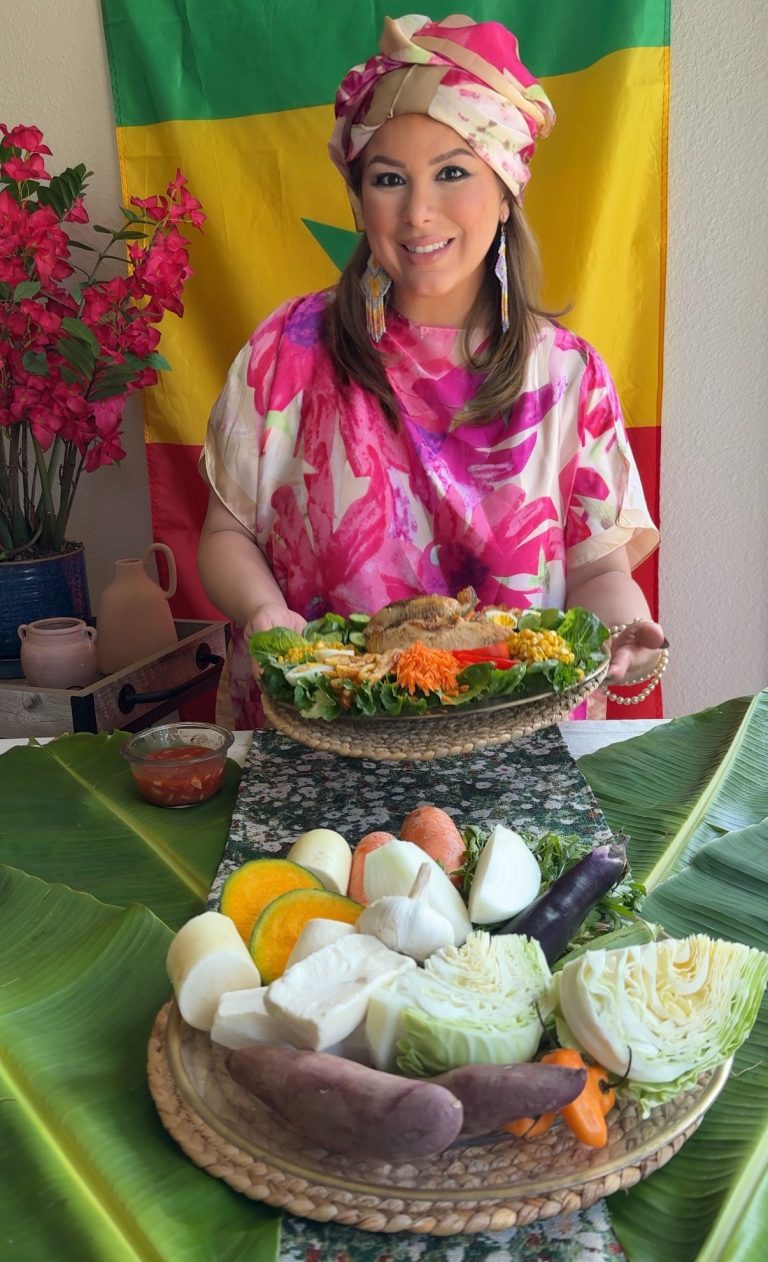
Ampesi is one of the simplest and most comforting meals in Ghana. The word refers to boiled starchy staples, typically yam, plantain (green or semi-ripe), cocoyam, or cassava, served whole or in chunks next to a stew. It is everyday home food, the kind of meal many Ghanaians grew up eating.
Its classic partner is kontomire stew. Kontomire is the Twi name for cocoyam leaves, which are cooked down in palm oil with onions, tomatoes, and pepper, then thickened with agushi (also spelled egusi), ground melon seeds that give the stew a slightly nutty, scrambled texture. Many cooks add smoked or salted fish such as momoni, and some finish it with eggs. The stew is deep green, rich, and full of flavor, and the plain boiled starches are there to soak it all up.
If you cannot find cocoyam leaves where you live, spinach is the most common substitute, and many Ghanaians in the diaspora use it at home.

Banku and Tilapia
Ask almost anyone in Ghana for a favorite weekend meal and banku and tilapia will come up fast. Banku is a swallow made from fermented corn dough, often blended with fermented cassava dough, cooked over heat and stirred vigorously with a wooden spatula until it becomes a smooth, stretchy, slightly sour ball. That gentle tang from fermentation is what makes banku so distinctive. It is closely associated with the Ga and Ewe peoples of the coast and southeast.
It is served with grilled tilapia, usually seasoned and cooked whole over charcoal until the skin is crisp and smoky. On the side you will find a fresh, fiery pepper sauce of raw tomatoes, onions, and chili ground together, traditionally in an asanka, a ridged clay grinding bowl. Many spots also serve shito and sliced onions alongside it.
To eat it the Ghanaian way, wash your hands, pinch off a piece of banku with your right hand, use it to pick up a bit of fish and pepper sauce, and enjoy. Grilled tilapia and banku is a staple of Ghana’s evening food scene and of the local restaurants known as chop bars.

Kenkey
Kenkey is banku’s close relative, and it is one of the most iconic foods in Ghana. Like banku, it starts with fermented corn dough. Part of the dough is partially cooked, mixed back with the raw dough, then shaped into balls, wrapped tightly in leaves or husks, and boiled for hours until firm. The result is denser and more sour than banku, with a texture somewhere between a dumpling and a very firm polenta.
There are two well-known styles. Ga kenkey, from the Accra area, is wrapped in dried corn husks and is often a little saltier. Fante kenkey, from the central coast, is wrapped in plantain or banana leaves, which gives it a softer texture and slightly different flavor.
Kenkey is classically served cold or at room temperature with fried fish, shito, and a raw pepper sauce of chili, onion, and tomato. Some people also add canned sardines or fried shrimp. It is filling, affordable, and travels well, which is part of why it has fed so many Ghanaians for generations.
Brukina: The Drink Made for Hot Afternoons
To drink, I served brukina, a creamy, slightly tangy beverage made from millet and milk. The millet is ground, steamed into small pellets, and then mixed with milk, often fermented milk or yogurt, plus sugar. It is thick enough that you can feel the grains as you drink it, almost like a drinkable rice pudding with a light sour finish.
Brukina comes from northern Ghana and the wider Sahel region, and its name is commonly linked to Burkina Faso, Ghana’s northern neighbor, where a very similar drink is called dégué. Today it is sold cold in bottles and bags all over Ghana and is especially refreshing on a hot day. It is also surprisingly filling, so some people enjoy it as a light snack on its own.

Also on My Table: Jollof Chicken and Bofrot
No Ghanaian gathering would feel complete without jollof rice, so I added jollof with chicken to the spread. It is a one-pot tomato and pepper rice found across West Africa, and Ghana and Nigeria famously enjoy a friendly rivalry over whose version is best. I am staying neutral on that one!
For something sweet, I made bofrot, Ghana’s fluffy fried dough balls, lightly sweet and often scented with nutmeg. They are a popular street snack and the perfect bite to end the meal with a cup of something warm, or a glass of brukina.

Eating the Ghanaian Way: Table Etiquette to Know
- Use your right hand. When eating with your hands or passing things to others, the right hand is the respectful choice. The left hand is traditionally considered impolite for eating and giving.
- Wash before you eat. Hand-washing bowls are commonly brought to the table before and after meals, especially when swallows like banku and kenkey are served.
- Greet first. Greetings are important in Ghana. Arriving and jumping straight into business, or straight into the food, can come across as rude.
- “You are invited.” If someone says this while eating, it is a warm gesture. You can join in or politely decline with thanks.
- Elders first. Respect for elders shapes many traditions, including who is greeted and served first.
Where to Find Ghanaian Ingredients in the US
Most of this menu is easier to make in the US than you might expect. Look for an African grocery store or an international market in your area, where you can usually find:
- Waakye leaves (dried sorghum leaves), sometimes labeled “waakye leaf” or “sorghum leaves”
- Red palm oil for eto and kontomire stew
- Agushi/egusi seeds, whole or ground
- Shito, sold ready-made in jars
- Gari and kenkey, which is often sold frozen
- Fermented corn dough and cassava dough, or banku mix, which makes banku much simpler at home
- Smoked fish and momoni (salted fish)
- Bottled brukina or millet for making it yourself
Plantains, yams, avocados, and whole tilapia are usually available at Latin and Asian supermarkets too. And for the Ghanaian salad, everything you need is at a regular grocery store.
Frequently Asked Questions
What does Akwaaba mean?
Akwaaba means “welcome” in Twi. It is used across Ghana and has become a symbol of the country’s reputation for warm hospitality.
What is waakye made of?
Waakye is rice and beans, usually black-eyed peas, cooked with dried sorghum leaves that give it a reddish-brown color. It is typically served with shito, gari, spaghetti, boiled eggs, fried plantain, stew, and other sides.
What gives waakye its red color?
The color comes from dried sorghum leaves, known as waakye leaves. They are boiled with the beans and release a natural red pigment into the cooking liquid, then removed before serving.
What is the difference between banku and kenkey?
Both are made from fermented corn dough. Banku is cooked and stirred on the stove into a smooth, soft ball, often with cassava dough added. Kenkey is partially cooked, wrapped in corn husks or plantain leaves, and boiled for hours, making it firmer and more sour.
What is kontomire?
Kontomire is the Twi name for cocoyam leaves. They are cooked into a palm oil stew with agushi, fish, and tomatoes. Spinach is a common substitute outside Ghana.
What is shito?
Shito is a Ghanaian black pepper sauce made from chili, dried fish or shrimp, onions, garlic, ginger, and oil, cooked down until dark and rich. It is served with waakye, kenkey, banku, and much more.
Is brukina the same as yogurt?
Not quite. Brukina is a drink made from steamed millet mixed with milk, which is often fermented, and sugar. It has a tangy, yogurt-like flavor but includes chewy millet grains.
Why is there corned beef and baked beans in a Ghanaian salad?
Ghanaian salad is a festive, layered dish where canned goods like corned beef, baked beans, and sardines became beloved additions. They turn the salad into a hearty, celebratory platter, especially popular at Christmas.

Final Thoughts
Ghana taught me that hospitality starts before the first bite. It starts with a glass of water, a seat, and the patience to let your guest rest before you ask what they need. It continues with a plate that is always big enough to share and the words “you are invited” offered to anyone who walks by.
From a plate of waakye built exactly the way you like it, to banku and tilapia eaten with your hands, to a cool glass of brukina, this menu was about comfort, generosity, and community. If you try any of these dishes at home, I hope you make extra, set out another chair, and say it with your whole heart: Akwaaba.
See you at the next table! Brazil!