Hosting the World: Kenya | Exploring Kenyan Food, Culture, and Hospitality
For this week’s Hosting the World™, we’re heading to Kenya! I knew a little about the country before I started my research, but the more I learned, the more I realized just how much there was to explore, especially when it came to food. From the coconut-based dishes of the Swahili coast to the hearty meals enjoyed in the country’s highlands, Kenyan cuisine turned out to be far more diverse than I had imagined.

This week on Hosting the World™, we are traveling to Kenya, a country in East Africa known for its breathtaking landscapes, remarkable cultural diversity, and incredibly rich culinary traditions.
When people think of Kenya, they often imagine safaris, lions, elephants, and the beautiful savannas of the Maasai Mara. While these are certainly part of Kenya’s story, there is so much more to discover.
Kenya is home to more than 40 ethnic communities, each contributing to the country’s languages, customs, traditions, and food culture. Along the Indian Ocean coast, Swahili cuisine reflects centuries of trade and cultural exchange. Around Lake Victoria, freshwater fish plays an important role in everyday meals. In other regions, dishes made with maize, potatoes, leafy vegetables, and meat have become beloved staples.
As I researched this week’s menu, I quickly realized that there was no way to represent every Kenyan community through a single table.
Instead, I wanted to prepare a selection of dishes that would introduce us to different aspects of Kenyan cooking, from familiar comfort foods to coastal curries and popular street snacks.
And what a beautiful culinary journey it turned out to be!
Discovering Kenya Beyond the Safari
Kenya sits along the equator in East Africa, bordering Ethiopia, Somalia, South Sudan, Uganda, and Tanzania. Its southeastern coastline meets the Indian Ocean, while its interior includes mountains, lakes, fertile highlands, and expansive grasslands.
One of the things I found most interesting about Kenya was just how much its geography influences its cuisine.
Along the coast, coconut milk, rice, seafood, and aromatic spices are common ingredients. In the central highlands, potatoes, maize, beans, and leafy vegetables feature prominently. Around Lake Victoria, tilapia and other freshwater fish are important parts of local food traditions.
Kenyan cuisine is not one uniform collection of recipes. It is a reflection of the country’s many communities, agricultural traditions, and historical connections.
Did You Know Kenya Has Two Official Languages?
Kenya’s official languages are Kiswahili and English.
Kiswahili, often called Swahili in English, is also a national language and an important means of communication across different communities.
However, many Kenyans speak additional languages associated with their families and ethnic backgrounds, including Kikuyu, Dholuo, Kalenjin languages, Luhya languages, and Kamba, among many others.
I find this especially interesting because language can reveal so much about a country’s history.
Kiswahili developed along the East African coast as a Bantu language, shaped over centuries by contact with Arabic and other languages through Indian Ocean trade.
Today, it connects millions of people across East Africa and beyond.
A few Kiswahili expressions I enjoyed learning include:
- Jambo: Hello, a greeting especially familiar to visitors.
- Karibu: Welcome.
- Asante: Thank you.
- Chakula: Food.
- Hakuna matata: No worries or no problems.
Of all these words, karibu feels especially appropriate for Hosting the World.
After all, what better way to begin a meal than by making someone feel welcome?
Kenyan Hospitality: More Than Sharing a Meal
One of my favorite parts of researching a country is learning how people welcome others into their homes.
Food is rarely just about satisfying hunger. It can be a way to express affection, celebrate important occasions, strengthen relationships, and create a sense of belonging.
In Kenya, hospitality takes many forms, depending on the community, region, family, and occasion.
Visitors may be offered tea, a snack, or a meal. Sharing food can be an important expression of generosity and friendship.
Chai, often prepared with milk and sugar, is particularly popular throughout Kenya. It is enjoyed at home, at work, and during social gatherings.
In some households, guests may be invited to share a meal from communal serving dishes, while other families serve individual portions. Customs vary, and there is no single way that every Kenyan household entertains.
I love learning about these differences because they remind me that hospitality is not necessarily defined by elaborate decorations or expensive ingredients.
Sometimes, hospitality is simply making room for another person at your table.
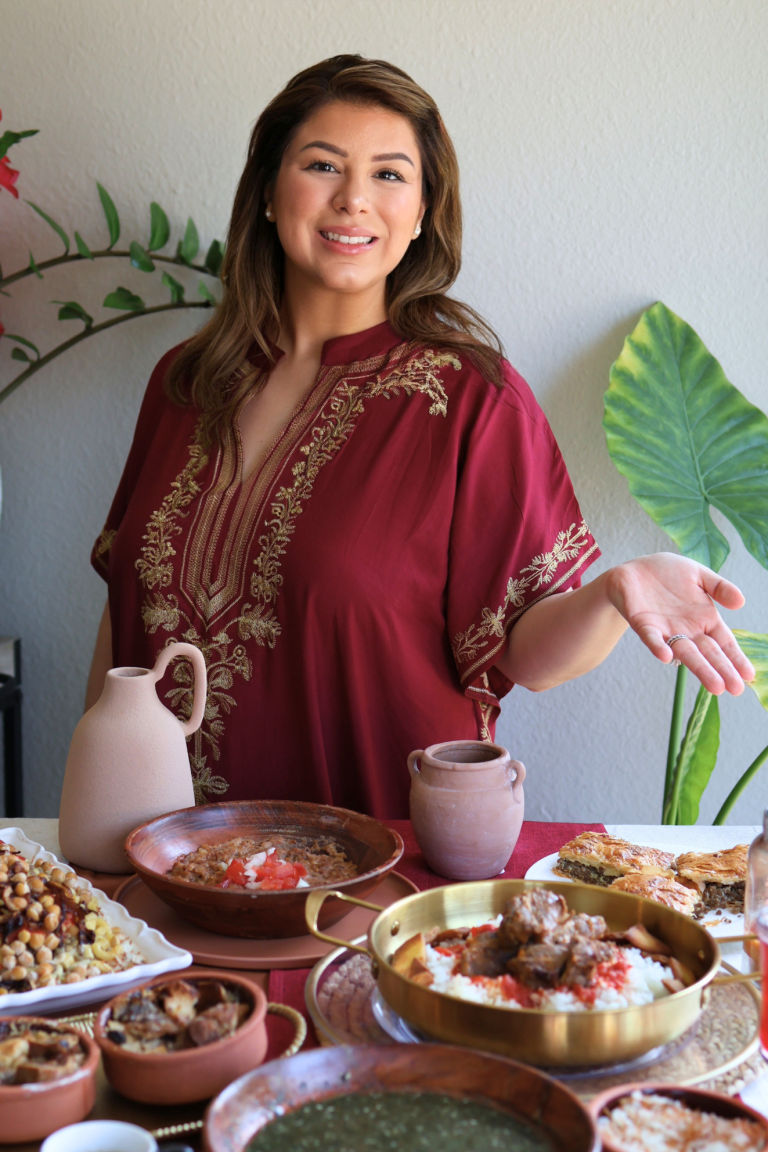
For this week’s Kenyan segment, I wanted my table to reflect that same spirit of generosity.
I prepared a combination of rice dishes, stews, vegetables, breads, and street foods. Some were familiar to me in concept, while others introduced ingredients and preparations I had never explored before.
Here is everything I made.
Hosting the World: My Kenyan Food Menu
Kenyan Beef Pilau with Kachumbari
If I had to choose one dish to introduce someone to the aromatic side of Kenyan cuisine, Kenyan pilau would be an excellent place to start.
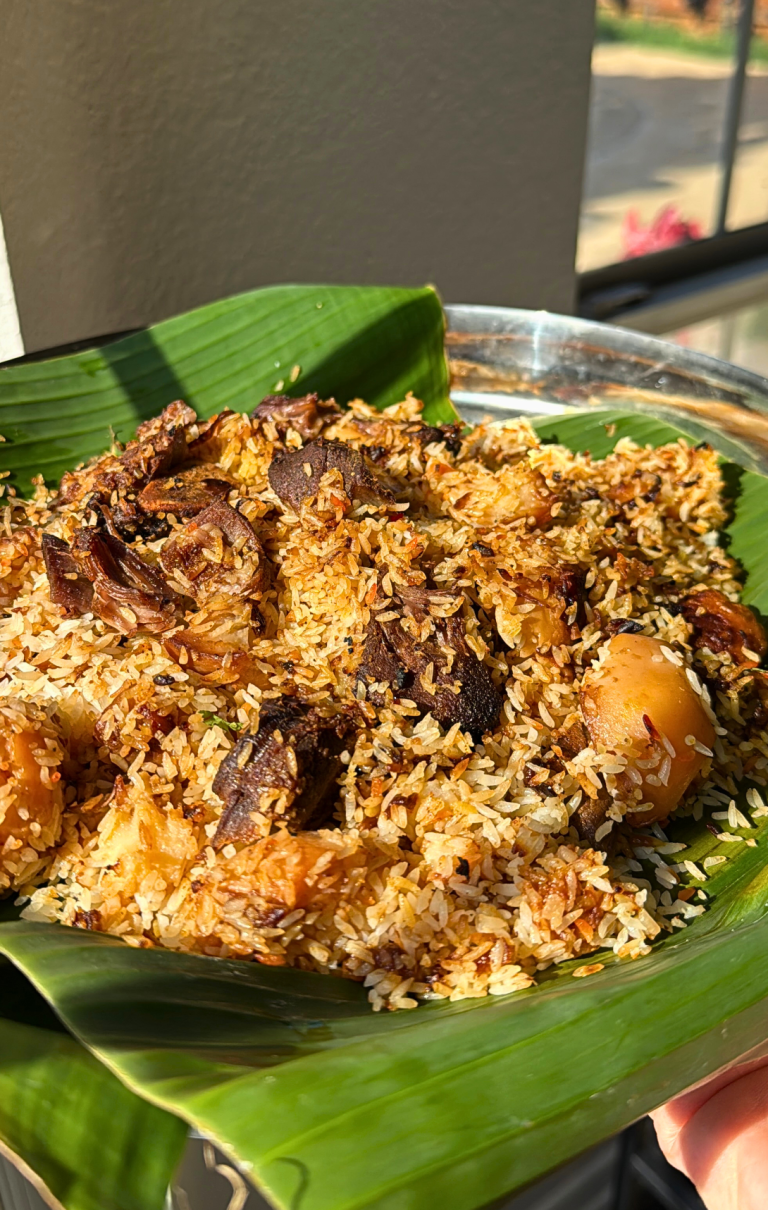
Pilau is a fragrant rice dish particularly associated with the Swahili coast, although it is enjoyed throughout Kenya. It is commonly prepared for celebrations, weddings, family gatherings, and other special occasions. Unlike plain steamed rice, Kenyan pilau is cooked with aromatic spices that give it its distinctive flavor and color.
Depending on the recipe, these spices may include cumin, cardamom, cloves, cinnamon, and black pepper. For my version, I prepared beef pilau using basmati rice, tender pieces of beef, potatoes, and a fragrant spiced broth.
I served it with kachumbari, a refreshing salad made with tomatoes, red onions, and cilantro. The freshness of the kachumbari complements the warm spices of the rice beautifully.
What fascinated me most about pilau was its connection to the Indian Ocean. For centuries, coastal East Africa participated in trading networks linking African communities with Arabia, Persia, India, and other parts of the Indian Ocean world. These exchanges influenced architecture, language, commerce, and, of course, food.
Kenyan pilau is a wonderful example of how ingredients and culinary ideas can travel, eventually becoming part of a region’s own food traditions.

Kuku wa Paka: Kenyan Coconut Chicken Curry
Kuku wa Paka was one of the dishes I was most excited to prepare.
This coastal East African chicken curry combines coconut milk with aromatic spices, creating a flavorful sauce that is both comforting and fragrant. The name itself is interesting. Kuku means chicken in Kiswahili, while paka is commonly associated with the coconut-based sauce in the dish’s culinary name.
Kuku Paka is especially associated with Kenya’s coastal cuisine, including Mombasa, and is also enjoyed in neighboring parts of East Africa. Recipes vary from household to household. Some cooks grill the chicken before adding it to the coconut sauce, giving the finished dish a slightly smoky flavor. Other versions simmer the chicken directly in the sauce.
For my version, I prepared a rich, orange-colored coconut curry with chicken, spices, and a garnish of boiled eggs and fresh cilantro. The combination was beautiful.
I especially enjoyed learning how coconut milk features in coastal Kenyan cooking, appearing in everything from savory curries to beans, rice, and desserts.

Mbaazi za Nazi: Pigeon Peas in Coconut Milk
This dish immediately caught my attention because it reminded me of an ingredient I grew up knowing in Puerto Rico. Mbaazi za Nazi is a traditional coastal Kenyan preparation of pigeon peas cooked in coconut milk. In Puerto Rico, pigeon peas are known as gandules, and they are an important part of our cuisine, especially in arroz con gandules. Seeing the same ingredient prepared in such a different way was fascinating.
In Kenya, pigeon peas are often simmered with coconut milk until tender and creamy. Depending on the household, the dish may also include onions, garlic, and seasonings.
Mbaazi za Nazi is especially popular along the Swahili coast and is frequently enjoyed with mahamri, a lightly sweet fried bread. I prepared my version with pigeon peas and coconut milk, allowing the natural flavor of the legumes to remain the focus.
This was one of those moments that reminded me why I started Hosting the World. The same ingredient can connect two places thousands of miles apart, yet each culture develops its own ways of preparing and enjoying it.

Mukimo: A Traditional Kenyan Comfort Food
Mukimo is a traditional mashed dish strongly associated with the Kikuyu community of central Kenya. It is commonly prepared with potatoes, maize, peas, and leafy greens, although ingredients and proportions vary. The vegetables are cooked and mashed together, creating a hearty dish with a distinctive green color.
For this version, I prepared mukimo with potatoes, maize, and greens. The result was a comforting side dish that paired beautifully with beef wet fry.
I enjoyed learning about mukimo because it represents another side of Kenyan cuisine, one centered on ingredients cultivated in the country’s agricultural highlands.
While coastal Kenyan dishes often feature coconut milk and aromatic spices, mukimo highlights the importance of vegetables, maize, and potatoes in central Kenyan food traditions.

Kenyan Beef Wet Fry
Kenyan beef wet fry is a flavorful meat dish commonly prepared with onions, tomatoes, and seasonings. Despite the name, wet fry is not simply deep-fried meat. The term generally refers to meat cooked with a moist sauce or gravy, distinguishing it from drier preparations.
Recipes vary, but the dish often begins with beef that is cooked until tender before being combined with onions, tomatoes, peppers, and spices.
For this version, I prepared beef wet fry with tomatoes and red bell peppers, creating a rich sauce that coated the meat. I served it alongside mukimo.
The combination of tender beef, tomato sauce, and mashed vegetables was delicious and filling. It is easy to understand why variations of wet fry are popular in Kenyan homes and casual restaurants.
Githeri: Beans and Maize
Githeri is another traditional Kenyan dish associated particularly with the Kikuyu community, although it is enjoyed much more widely today. At its simplest, githeri consists of boiled maize and beans. However, many versions include onions, tomatoes, potatoes, vegetables, or spices.
I prepared mine with beans, white maize, finishing it with fresh cilantro. What I appreciate about githeri is its simplicity. It is a dish built around accessible, nourishing ingredients that can be adapted depending on what is available.
Githeri also demonstrates how everyday meals can carry important cultural meaning. Not every traditional dish needs an elaborate cooking process or a long list of ingredients. Sometimes, the foods people return to most often are the simplest ones.

Mrenda: Traditional Kenyan Jute Mallow Greens
Mrenda was one of the ingredients I was particularly curious about. Also known as murere in some communities, mrenda is a leafy vegetable dish prepared using jute mallow leaves. It is especially popular in western Kenya, including among Luhya communities.
The leaves develop a distinctive soft, slightly slippery texture when cooked. This texture may be unfamiliar to some people, but it is an important characteristic of the vegetable. I prepared my mrenda with tomatoes and seasonings and served it in a wooden bowl.
One thing I enjoyed about researching this dish was learning more about Kenya’s indigenous leafy vegetables. International conversations about African food sometimes focus heavily on meat, rice, and stews, but vegetables are equally important to many regional food traditions.
Mrenda is a wonderful example.
It is commonly served with ugali and remains part of everyday meals in many Kenyan households.

Sukuma Wiki: Kenya’s Popular Leafy Greens
Sukuma wiki is one of Kenya’s best-known vegetable dishes. It is commonly prepared using collard greens or kale, sliced into thin strips and cooked with onions, tomatoes, and sometimes additional seasonings.
The name is often translated as “push the week,” reflecting the dish’s association with affordable everyday meals that help stretch household food budgets.
I prepared my sukuma wiki with chopped greens and tomatoes. It was simple, colorful, and a wonderful accompaniment to my fish and ugali.
Ngege: Kenyan Tilapia with Ugali and Sukuma Wiki
Kenya’s Lake Victoria region has a strong connection to freshwater fishing.
Tilapia, known as ngege in Dholuo, is one of the fish enjoyed around the lake. Whole tilapia may be fried, grilled, or prepared in a tomato-based sauce, depending on the cook and local preferences.
For my table, I prepared a whole tilapia and served it with ugali and sukuma wiki. Ugali is a firm staple made by cooking maize flour with water until it forms a thick dough-like consistency. It is widely enjoyed in Kenya and other East African countries. Traditionally, portions of ugali can be shaped by hand and used to scoop up vegetables, meat, or sauce.

Tumbukiza: A Hearty Kenyan Meat Stew
Tumbukiza is a Kenyan preparation in which meat is simmered with broth, vegetables, and seasonings. Depending on the recipe, it may feature beef, goat, or other meats.
Some versions are relatively simple and broth-focused, while others incorporate potatoes, carrots, tomatoes, and additional ingredients.
For this version, I prepared bone-in meat with potatoes, carrots, herbs, and a flavorful reddish-orange broth.

Smokie Pasua and Mayai Pasua: Kenyan Street Food Favorites
One of my favorite things to research when exploring a new country is street food. Street snacks offer a glimpse into everyday life, from what people grab on their way to work to what students enjoy after school.
For Kenya, I prepared two popular snacks: Smokie Pasua and Mayai Pasua.
Smokie Pasua consists of a smoked sausage split lengthwise and filled with kachumbari.
Mayai Pasua follows a similar concept but uses a boiled egg instead of a sausage.
The word pasua refers to splitting something open, which describes the preparation perfectly.
Both snacks are commonly sold by street vendors and are often accompanied by tomatoes, onions, cilantro, chili, or sauces.

Kenyan Chapati: A Beloved Flatbread
Chapati is another food that reflects Kenya’s long history of cultural exchange.
Although chapati has roots in South Asian culinary traditions, it has become deeply integrated into Kenyan cooking.
Kenyan chapati is often prepared with wheat flour, water, oil, and salt, with some recipes using additional ingredients.
The dough is rolled, sometimes layered with oil, and cooked on a hot surface until golden.
Kenyan Samosas: A Popular Savory Snack
Samosas are another popular food in Kenya with connections to centuries of culinary exchange across the Indian Ocean.
These triangular pastries are filled with ingredients such as spiced meat, vegetables, or lentils and then fried until crisp.
They are widely enjoyed as snacks, appetizers, and party foods.
What Makes Kenyan Cuisine So Diverse?
One of the biggest lessons from this segment was that Kenyan cuisine cannot be reduced to a single dish or cooking style.
The country’s food traditions reflect many different influences.
Indigenous agricultural knowledge, local ingredients, pastoral traditions, fishing communities, and regional cooking methods have all contributed to the foods enjoyed today.
Along the coast, centuries of Indian Ocean exchange helped shape Swahili cuisine.
The presence of South Asian communities in Kenya, particularly during and after the colonial period, also contributed to the country’s culinary landscape.
At the same time, Kenya’s many ethnic communities have maintained their own dishes, ingredients, and food traditions.
This is why a meal featuring pilau, mukimo, tilapia, mrenda, and githeri tells a much broader story than any one of those dishes could tell alone. Each represents a different part of Kenya’s culinary identity. And even then, my table only scratches the surface.
More Interesting Facts About Kenya
Beyond the food, I discovered several things about Kenya that I wanted to share.
Kenya Is Home to Mount Kenya
Mount Kenya is the second-highest mountain in Africa, after Mount Kilimanjaro in neighboring Tanzania.
It is also the mountain from which the country takes its name.
Its slopes support diverse ecosystems and agricultural communities.
The Great Rift Valley Passes Through Kenya
Kenya is part of the East African Rift system, a remarkable geological region shaped by tectonic activity.
The landscape includes dramatic escarpments, lakes, volcanic features, and fertile valleys.
Kenya Is Famous for Its Long-Distance Runners
Kenyan athletes have achieved extraordinary success in international distance running.
The town of Iten, located in the highlands, is especially well known as a training destination for elite runners from Kenya and around the world.
Kenya Has a Rich Tea Culture
Kenya is one of the world’s major tea producers.
Tea is both an important agricultural export and a beloved everyday beverage.
Kenyan chai is frequently prepared with milk and sugar, although recipes and preferences vary.
Nairobi Is a Major East African Cultural Center
Kenya’s capital, Nairobi, is a vibrant city known for its business activity, creative industries, restaurants, music, and cultural life.
It is also home to Nairobi National Park, where wildlife can be seen against the backdrop of a major urban skyline. I find that contrast fascinating. Kenya is a country where modern cities, longstanding cultural traditions, remarkable wildlife, and diverse landscapes exist side by side.
What I Learned from Hosting Kenya
Every week, Hosting the World reminds me how much there is still to learn.
I have traveled extensively, lived in different countries, and spent years surrounded by people from different cultures. Yet, researching a country in detail always introduces me to something new.
Kenya was no exception.
I learned more about Swahili history and the Indian Ocean trade networks. I discovered the importance of regional ingredients and indigenous vegetables. I explored how different Kenyan communities have shaped the country’s culinary traditions.
I also found unexpected connections to my own Puerto Rican background.
Preparing pigeon peas in coconut milk, for example, reminded me how ingredients can be familiar while the dishes themselves are completely different.
That is one of my favorite things about food.
It allows us to recognize something from our own lives while discovering how someone else experiences it.
And perhaps that is what makes cooking such a meaningful way to explore the world.
You do not have to understand every aspect of a culture to begin learning about it.
Sometimes, curiosity starts with a single ingredient, a recipe, or a conversation about what someone grew up eating.