Hosting the World: Egypt — Koshari, Hospitality, and the Art of Never Letting a Plate Go Empty
Welcome back to Hosting the World, the series where we explore how different cultures gather, cook, and welcome guests to the table. This episode takes us to Egypt, a country with one of the oldest and most continuous civilizations on earth, and a hospitality culture that is every bit as rich as its history. Egyptian hosting is generous almost to a fault, and once you understand the etiquette behind it, you start to see just how intentional that generosity really is.
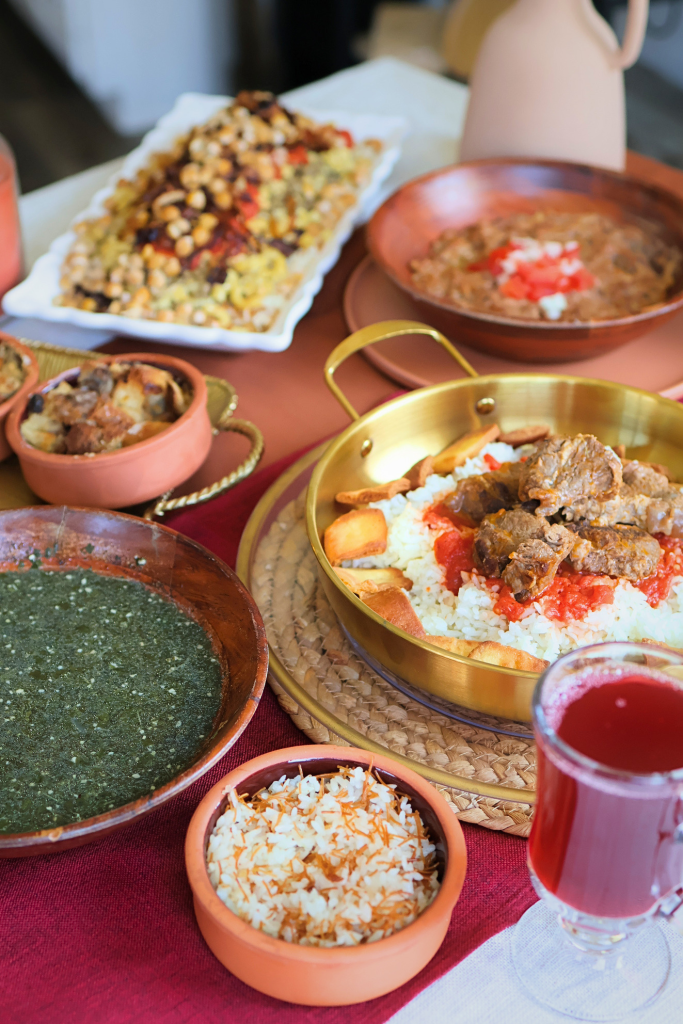
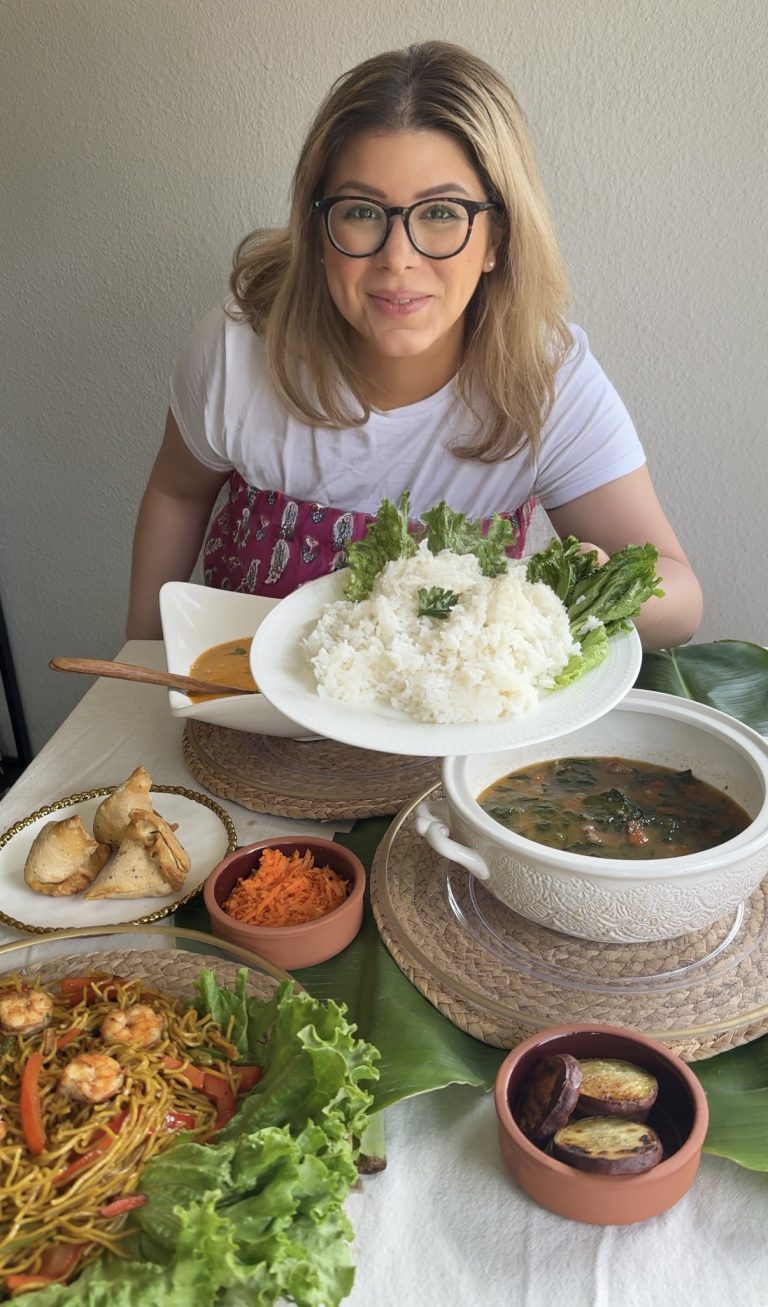
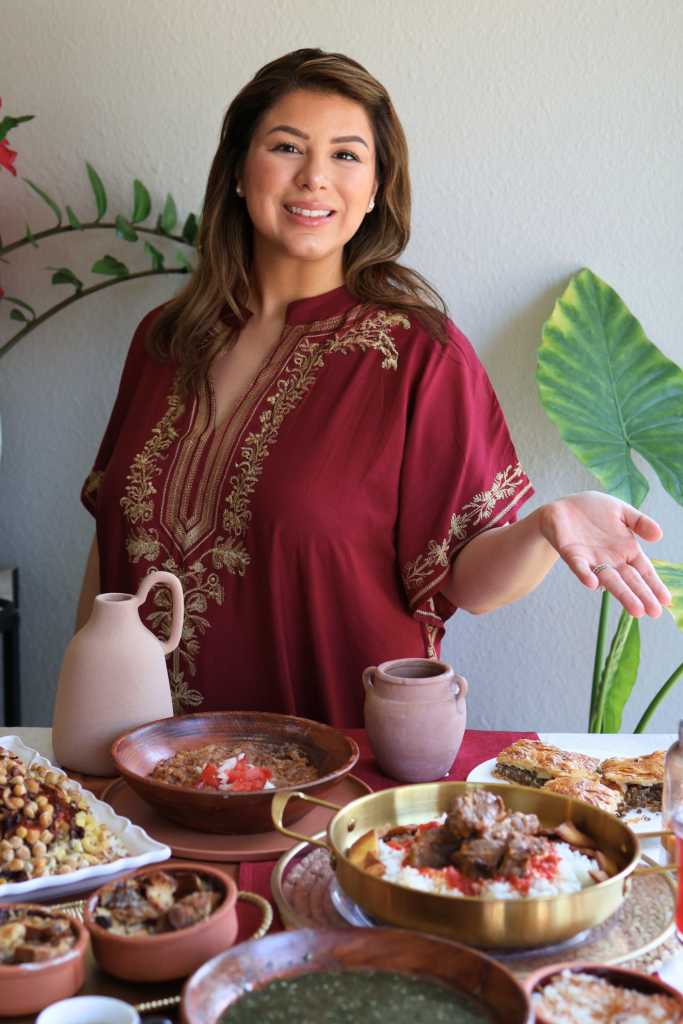
For this table, I made koshari, Egyptian goulash, hibiscus tea, Egyptian coffee, Egyptian fattah, om ali, ful, and vegetarian molokhia served with a side of rice and vermicelli. Before I dive into the food, I have to share something incredible I learned from a friend of mine who recently competed on MasterChef representing Egypt. Her insight into what it actually means to host in an Egyptian home changed how I thought about every dish on this table, and I am sharing her words below because they say it better than I ever could.
The Menu: A Taste of Egypt
Egyptian cuisine is built on comfort, generosity, and centuries of tradition. Every dish below has a reason to be here! This was a table that felt like a proper Egyptian welcome!
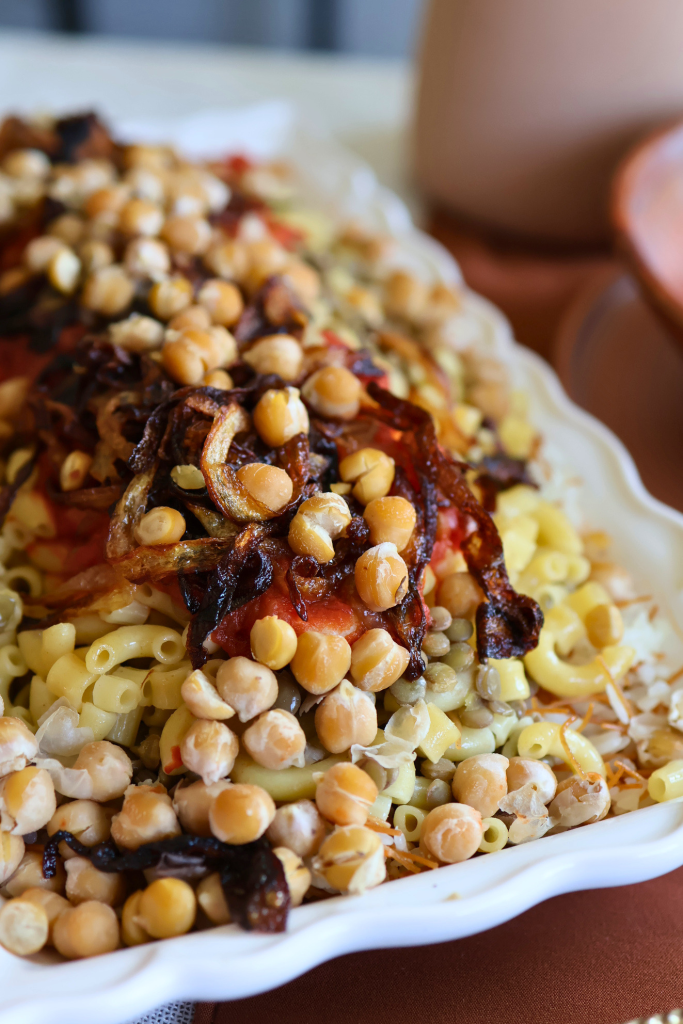
Koshari
If Egypt has one true national dish, it is koshari. This layered dish combines rice, lentils, chickpeas, and macaroni, spaghetti and ditalini pasta, all topped with a tangy tomato sauce, a splash of garlic vinegar, and a generous handful of crispy fried onions. It began as humble street food in Cairo and has become a staple across the entire country. Koshari is also one of my favorite meals ever!
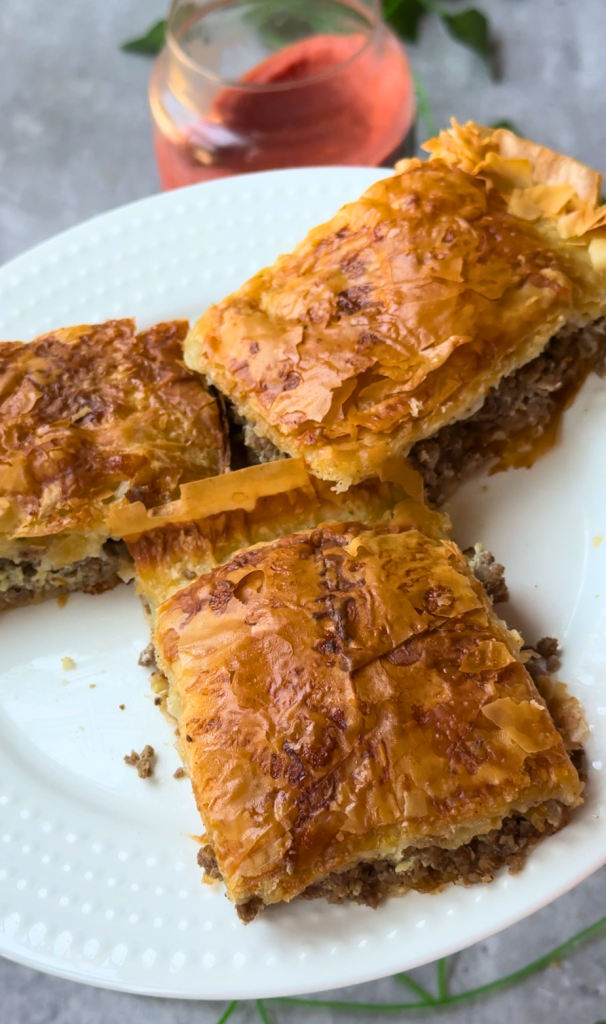
Egyptian Goulash
Do not let the name fool you, Egyptian goulash has almost nothing to do with the Hungarian dish that shares its name. This version is a savory ground beef filling, seasoned with onions and warm spices, layered between sheets of crisp phyllo dough and baked until golden. It comes out somewhere between a pie and a pastry, with a flaky, buttery exterior giving way to a rich, well-seasoned meat filling inside.
Egyptian Fattah
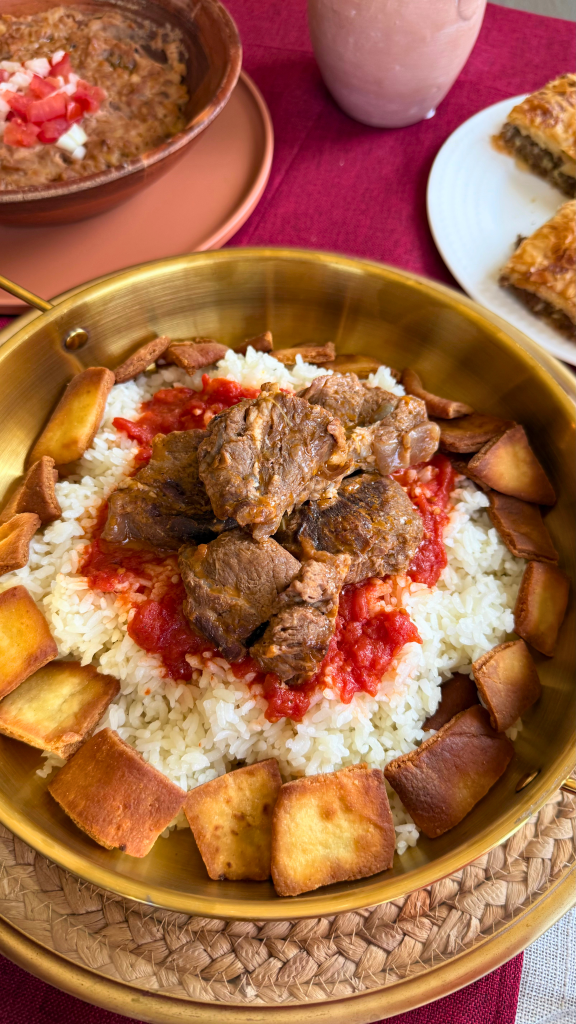
Fattah is a dish reserved for special occasions, and it shows. Layers of toasted or fried bread sit at the bottom of the plate, topped with rice, tender meat, and a garlic and vinegar sauce that ties everything together. It is traditionally served during Eid celebrations and other major gatherings, which made it a meaningful centerpiece for this hosting table.
Ful (Ful Medames)
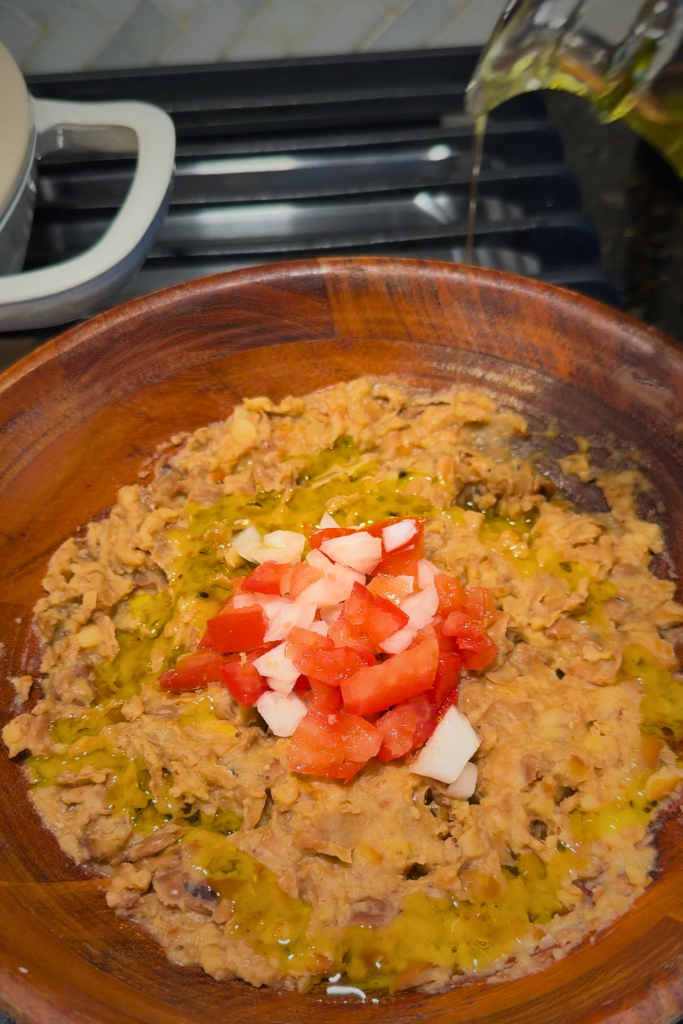
Ful medames, often just called ful, is one of Egypt’s most common breakfast dishes, though it is enjoyed at any time of day. It is made from slow-cooked fava beans, mashed and seasoned with olive oil, lemon, garlic, and cumin. Ful is humble, filling, and deeply tied to everyday Egyptian life, the kind of dish nearly everyone grew up eating.
Vegetarian Molokhia
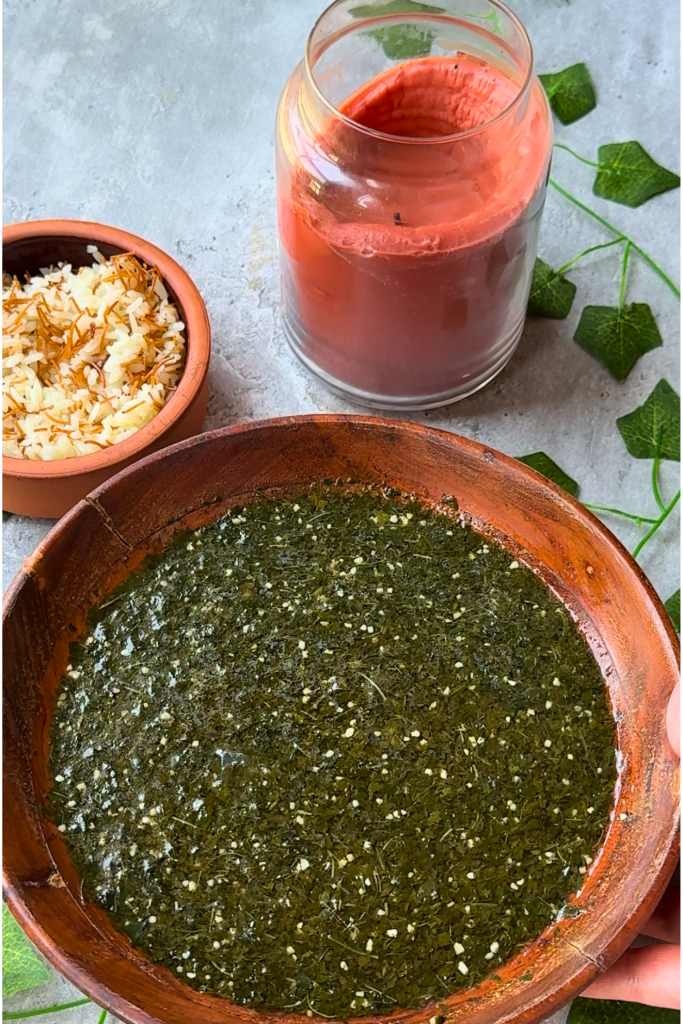
Molokhia is a soup made from the leaves of the jute plant, finely chopped and cooked down with garlic and coriander into a thick, savory, almost silky stew. It is traditionally served over rice, and for this table I paired it with rice and vermicelli on the side, which is a common way to round out the meal. Molokhia can be made with chicken or rabbit, but I kept my version vegetarian to let the greens and garlic shine on their own.
Om Ali
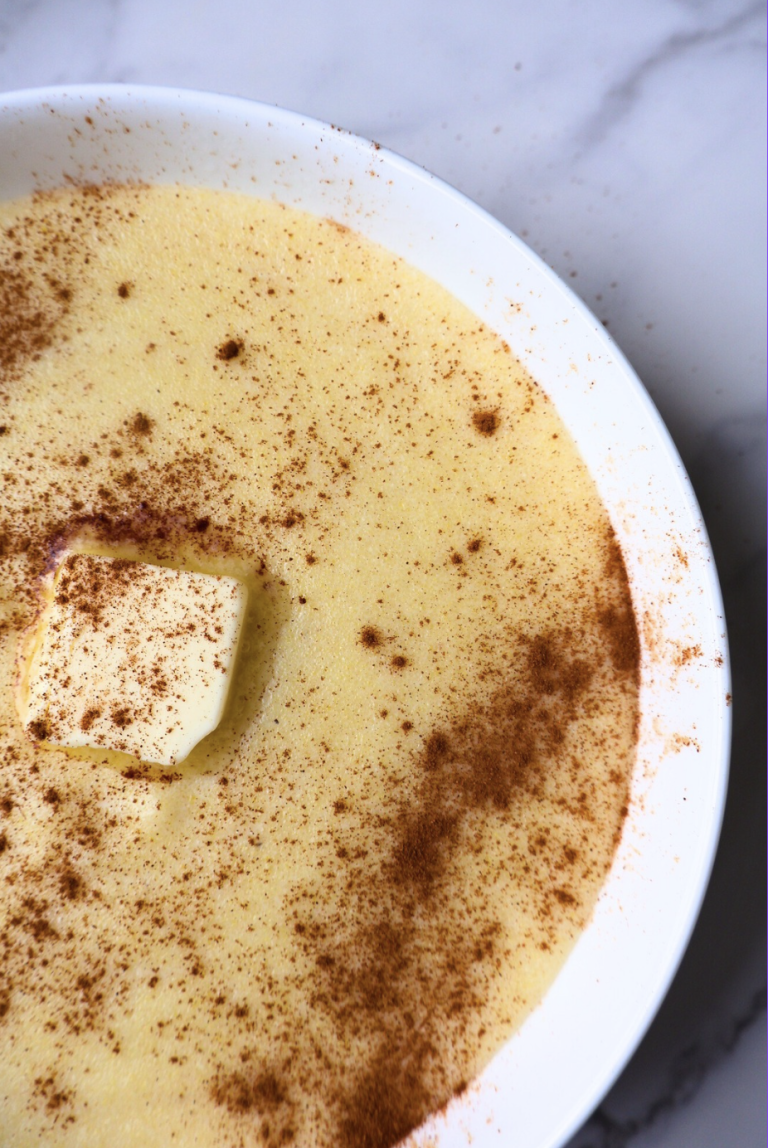
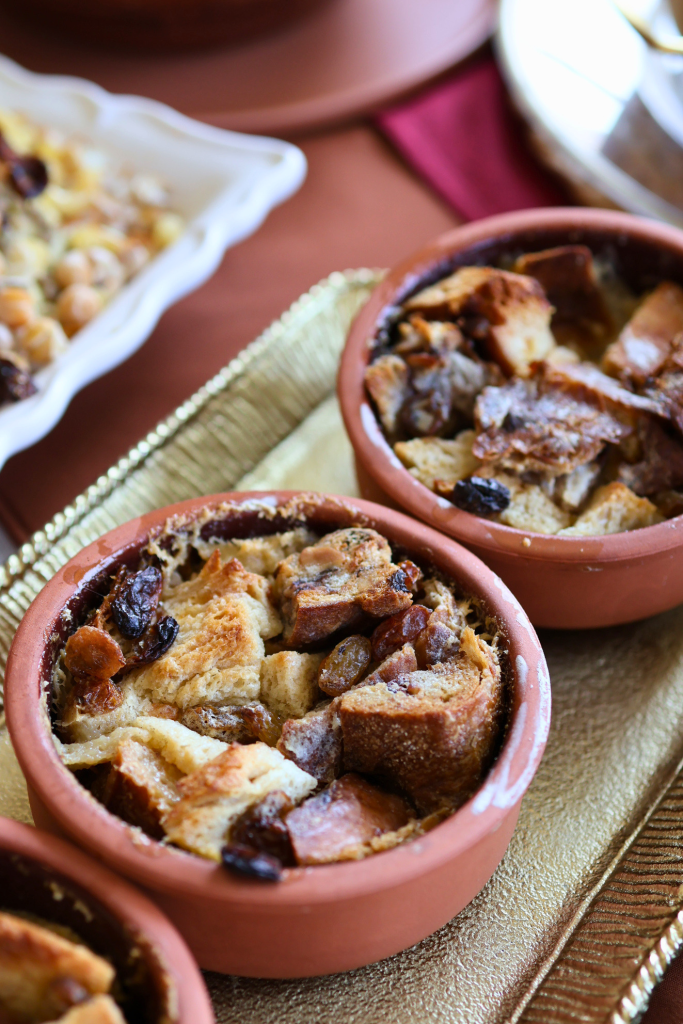
For dessert, I made om ali, Egypt’s version of bread pudding. Layers of bread are soaked in warm milk and cream, then baked with nuts and raisins until the top turns golden and slightly crisp while the inside stays soft and custardy. Legend has it the dish is named after a queen, and it remains one of the most comforting desserts in Egyptian cuisine.
Egyptian Coffee
Egyptian coffee is finely ground and brewed slowly, often with a touch of cardamom, similar in spirit to Turkish coffee. It is strong, aromatic, and traditionally served in small cups, meant to be sipped slowly rather than rushed. Serving coffee to guests is also a quiet act of hospitality in itself, a small gesture that says you are welcome to stay a while.
Hibiscus Tea
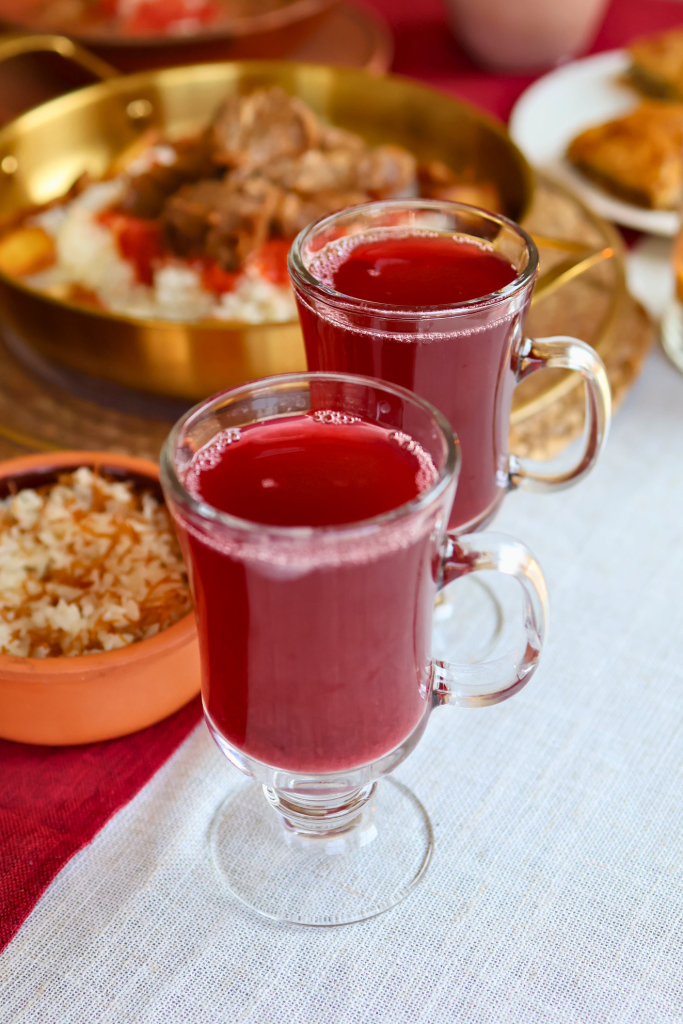
To round out the drinks, I served hibiscus tea, known in Egypt as karkade. Made from steeped dried hibiscus petals, it has a deep red color and a tart, slightly floral flavor. In Egypt it is often served warm as a welcoming gesture to guests, though it is just as delicious chilled.
What Real Egyptian Hospitality Looks Like
This is the part of the episode I am most excited to share. My friend, Meryhan, who recently competed on MasterChef representing Egypt, gave me an incredible breakdown of what hosting actually looks like in an Egyptian home, and I want to pass her insight along almost exactly as she shared it with me.
She explained that hospitality in Egypt is extremely prominent, to the point where the host often is not eating at all, or is the very last person to eat, because they are too busy watching everyone else’s plates. The moment a guest’s plate looks empty, the host will take it and refill it, and this continues until every single guest is finished. As she put it, your plate essentially cannot stay empty until everyone at the table is done eating.
There are other customs that go along with this. In most households, you are expected to take your shoes off before entering the home. When you are invited somewhere, it is customary to bring a tray of desserts as a gift for your hosts, or in more rural, village settings, hosts might instead send you home with a big box of whatever seasonal fruits and vegetables are currently growing on their farm.
And when it comes to eating, the etiquette is simple but important, you eat what is put on your plate, and you keep eating until you are truly full, because leaving food behind can be seen as impolite. As my friend summed it up, the rule of thumb is simple: come hungry.
I love this because it reframes hosting entirely. In many Egyptian homes, the host’s role is not to sit and enjoy the meal alongside their guests, it is to make sure everyone else is completely taken care of first. That is a level of generosity that deserves to be celebrated.
Fun Facts About Egypt
Here are a few facts I learned while putting this episode together.
- Egypt is home to one of the oldest continuous civilizations in the world, with a documented history stretching back more than 5,000 years.
- Cairo is the largest city in Africa and one of the largest metropolitan areas in the entire Middle East.
- The Nile River, the longest river in the world, has shaped Egyptian life, agriculture, and settlement for millennia.
- Alexandria was not founded by an Egyptian ruler at all. It was founded by Alexander the Great in 331 BCE, who envisioned it as a Greek city on Egypt’s coast linking the Mediterranean world to the Nile valley. He left shortly after laying out the plan and never saw the finished city.
- Arabic is the official language of Egypt, and Egyptian Arabic is widely understood across the Arabic-speaking world thanks to Egypt’s influential film and television industry.
A Table Built on Generosity
What stood out most to me while researching and cooking this episode was how much intention goes into Egyptian hosting. It is not passive generosity, it is active. A good host is constantly watching, refilling, and making sure their guests feel taken care of before they think about themselves. Combined with customs like removing your shoes at the door or bringing a small gift of dessert or fresh produce, hosting in Egypt becomes a full sensory and social experience built entirely around the comfort of the guest.
Final Thoughts
This Egypt table was one of the most flavorful and heartfelt spreads I have put together for Hosting the World. From the humble comfort of koshari and ful to the celebratory richness of fattah and om ali, every dish carried real weight and history. And thanks to my friend’s incredible insight into Egyptian hospitality, I came away with a much deeper appreciation for what it truly means to host in an Egyptian home, generously, attentively, and always with more food on the way.
If you try any of these dishes at home, I would love to hear how it goes. And remember, if you are ever invited to an Egyptian table, come hungry!
Follow along with Hosting the World by Emilia Kim for more country-by-country explorations of food, culture, and hospitality.